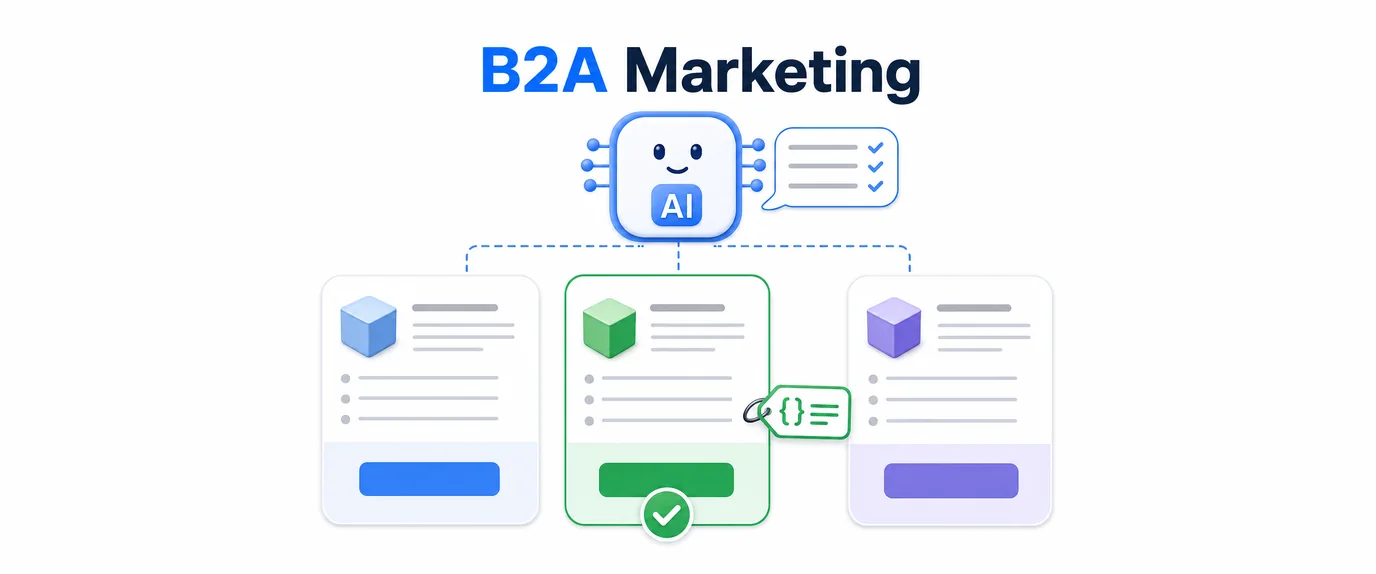
If Smartlink 1.0 simply distributed traffic and 2.0 learned to account for basic interests, then version 3.0 is a full-fledged AI conductor. It analyzes thousands of parameters in milliseconds before deciding which offer to show a specific user.
1. The Death of Manual A/B Tests
In 2026, manual offer testing within a Smartlink is considered a pointless waste of budget. Modern AI rotators learn “on the fly.”
The algorithm only needs the first 50–100 clicks to understand the current eCPM (revenue per thousand impressions) of each offer in the flow. The neural network automatically funnels the bulk of the traffic to the winner, even accounting for the time of day and the user’s internet speed. For the buyer, this means one thing: reaching profitability happens 3 times faster than with manual management.
2. External Triggers: Context Matters
Smartlink 3.0 no longer lives in a vacuum. It is connected to external APIs and changes offers based on what is happening in the user’s real world right here, right now:
- Finance: If Bitcoin’s price drops by 5% in an hour, the Smartlink instantly switches the audience from “investment” offers to “buy the dip” or asset insurance offers.
- Weather: Is it raining in Berlin? The Smartlink will show the user food delivery or streaming services instead of outdoor activity products.
- Sports: Did the user’s team just lose a match? The system will offer a “consolation” bonus in an iGaming offer.
3. Real-Time Cross-Network Optimization
Previously, Smartlinks were limited to a single affiliate network. In 2026, top-tier Smartlinks aggregate offers from dozens of networks via Direct API.
The system sees that approval rates in “Network A” dropped today due to call center overload, while in “Network B” they are holding steady at 40%. The Smartlink will redirect your click to where the probability of payout is highest. You are no longer dependent on the technical issues of a single advertiser.
4. LTV Rotation and the “Digital Footprint”
Smartlink 3.0 can recognize the user. If a person clicked your link yesterday and didn’t convert on a Dating offer, the system won’t show it again. Instead, it will analyze their “digital footprint” and propose an alternative—for example, a smartphone cleaner or a meditation subscription. This allows you to monetize the same traffic stream repeatedly, significantly increasing the Lifetime Value (LTV) of every click.
Comparison: Old Smartlink vs. Smartlink 3.0 (2026)
| Parameter | Smartlink (2024) | Smartlink 3.0 (2026) |
| Logic | Static Rules (If/Else) | Neural Prediction |
| Parameters | 5–10 (Geo, OS, Browser) | 500+ (including External APIs) |
| Testing | Manual (A/B) | Autonomous Self-learning |
| Result | Average Market ROI | Real-time Profit Maximization |
Detailed Summary: The Future is Adaptability
A Smartlink in 2026 is not just a “smart link”; it is an autonomous decision-making center. For the media buyer, switching to Smartlink 3.0 represents a fundamental shift in priorities: from technical routine to strategic planning.
Key Takeaways:
- Intelligent Arbitrage: We no longer look for “that one” funnel—we set up an environment that finds the right funnel for every user. This lowers the entry barrier for beginners and provides incredible scaling leverage for pros.
- Efficiency of Every Cent: In the expensive traffic conditions of 2026, you cannot afford “idle” clicks. Smartlink 3.0 turns any remnant or mixed traffic into profit through hyper-personalization.
- Trust Automation: By delegating traffic distribution to a neural network, you eliminate the human factor and analytical delays. While you sleep, the Smartlink reacts to changes in the market, quotes, and user behavior faster than you can even open your laptop.
The Verdict: In 2026, Smartlink is your primary AI assistant. Running traffic to direct offers without using predictive rotation models is becoming economically unfeasible. The future belongs to those who use algorithms to predict user desires before they even realize them.
Frequently Asked Questions
1. What is Smartlink 3.0?
Smartlink 3.0 is a next-generation system that replaces static filters with neural understanding of user intent and dynamic content personalization.
2. How is Smartlink 3.0 different from traditional filters?
Unlike static rule-based systems, Smartlink 3.0 analyzes user behavior and context in real time to predict intent more accurately.
3. How does the neural model in Smartlink 3.0 work?
It is trained on behavioral data, identifies patterns, and predicts the most likely user actions to deliver relevant content.
4. Where can Smartlink 3.0 be used?
It can be applied in e-commerce, marketing, content platforms, and any system that relies on personalization and conversion optimization.
5. What are the benefits of Smartlink 3.0?
Key benefits include higher conversion rates, improved user experience, reduced content noise, and better intent matching.