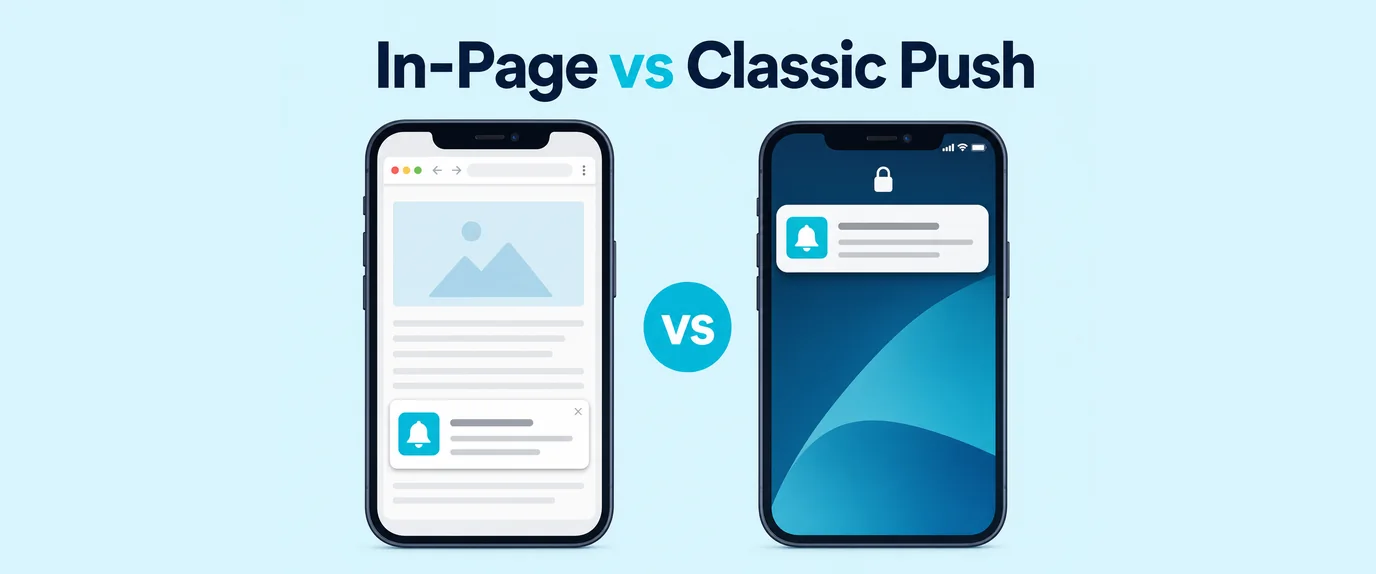
Relying on single-touch popunder landers forces media buyers into an unsustainable cycle where every user who bounces is lost forever. By engineering a hybrid multi-touch funnel, performance marketers can transform single-impression popunder visits into long-term subscriber assets across WebPush notifications, Telegram channels, and automated Smartlink fallback loops.
1. The Single-Touch Trap: Why Popunder Buyers Leak Revenue
Standard popunder campaigns operate on a binary outcome: the user either completes the primary offer immediately or closes the tab. This zero-sum model ignores the reality of modern browsing behavior.
Plaintext
[Single-Touch Model] ──► Popunder Impression ──► User Bounces ──► 100% Wasted Spend & Zero Retargeting

[Multi-Touch Model]  ──► Popunder Impression ──┬──► Front-End Offer Conversion
                                              ├──► WebPush Subscription (Recurring Push ROI)
                                              ├──► Telegram Bot Opt-In (High-Retention Asset)
                                              └──► Back-Button Smartlink (Remnant Traffic Yield)
Key Weaknesses of Single-Touch Campaigns:
- Zero Retargeting Capability: Once the background tab is closed, you have no technical mechanism to re-engage the user without paying for a fresh impression.
- Rising Traffic Costs: As competitive bids for Tier-1 popunder inventory increase, relying on single front-end conversions squeezes profit margins.
- Ignored Micro-Intents: Users who are interested in your niche but unready to buy immediately are discarded, despite being open to lower-friction touchpoints like push alerts or messaging channels.
2. Multi-Touch Hybrid Funnel Architecture
A multi-touch popunder funnel layer captures secondary intent without distracting from the main conversion goal. Instead of presenting a single static landing page, the hybrid prelander integrates three concurrent retention engines.
1. The Primary Conversion Hook (Front-End Offer)
The central focal point remains your primary offer—whether a utility app, sweepstake, iGaming offer, or lead-generation form.
2. The Browser Push Native Prompt (Immediate Asset Capture)
Before the user interacts with the main page, an un-intrusive WebPush prompt requests notification permission. Capturing this prompt builds a dynamic push subscriber list that generates recurring clicks long after the popunder session ends.
3. The Messaging Gateway (Telegram / WhatsApp Deep-Link)
For mobile users, offering a secondary option to receive updates, exclusive access, or community rewards via a Telegram Bot creates a persistent communication channel with near-100% open rates.
4. The Exit-Intent Smartlink (Fallback Safety Net)
If the user attempts to close the tab or tap the browser back button, an automated Smartlink script intercepts the navigation event, serving a alternative offer matching their device profile.
3. Micro-Commitment UX: Capturing Leads Without Killing Offers
The key challenge in multi-touch monetization is preventing user distraction. Attempting to force multiple actions simultaneously causes decision paralysis and lowers main offer conversion rates.
Plaintext
[Step 1: Soft Pre-Permission] ──► Gentle Micro-Question ("Check Eligibility?")
                                              │
                                              ▼
[Step 2: Dual Action Trigger] ──► Trigger Push Prompt + Render Main Offer
                                              │
                                              ▼
[Step 3: Exit Capture]        ──► Route Bouncing Users to Telegram / Fallback
Principles of Frictionless Micro-Commitments:
- The Soft-Prompt Layer: Show a custom native UI prompt (“Enable alerts to receive price updates?”) before calling the browser’s native
Notification.requestPermission()API. This prevents users from permanently blocking your domain. - Delayed Secondary Offers: Do not render Telegram opt-in banners immediately. Display secondary options only after the user interacts with the main quiz or stays on the page for longer than 6 seconds.
- One-Tap Telegram Onboarding: Use Telegram deep links (
tg://resolve?domain=...) that launch the Telegram app natively, bypassing browser registration forms entirely.
4. Performance Benchmarks: Single-Touch vs. Multi-Touch Funnel
Comparing performance metrics across high-volume utility and lead-generation campaigns demonstrates how multi-touch funnels scale total campaign yield:
| Campaign Metric | Single-Touch Popunder Lander | Multi-Touch Hybrid Funnel | Performance Delta |
| Initial Offer Conversion Rate | 2.4% | 2.2% | Minimal Impact (-0.2%) |
| WebPush Permission Rate | 0% | 18.5% | +18.5% New Subscriber Base |
| Telegram Bot Opt-In Rate | 0% | 4.1% | +4.1% High-LTV Leads |
| Exit-Intent Fallback Yield | $0.00 | +$1.80 eCPM Lift | Recaptured Wasted Spend |
| 30-Day Subscriber LTV Revenue | $0.00 | +$320.00 per 1k Clicks | Unlocks Recurring Profits |
| Overall Campaign Net ROI | +28% | +142% | +114% ROAS Expansion |
5. Media Buyer Implementation Checklist
Follow this operational framework to launch multi-touch popunder campaigns on GTaro Ads:
- [ ] Deploy a Multi-Step Prelander Template: Use a lightweight prelander that supports native WebPush prompts, dynamic text tokens, and modular CTA buttons.
- [ ] Configure WebPush Auto-Responders: Set up automated push notification sequences to send personalized follow-up offers 1 hour, 24 hours, and 72 hours after subscription.
- [ ] Integrate Telegram Bot URIs: Connect a Telegram Bot to process incoming leads, deliver automated welcome messages, and route users into your primary offer channel.
- [ ] Set Up Exit-Intent Redirects: Add a back-button script that detects navigation exits and redirects non-converting users to a GTaro Smartlink fallback URL.
- [ ] Track Subscriber Attribution: Pass campaign source tags (
sub1throughsub5) into your push subscriber database to measure which ad zones produce the highest long-term subscriber value. - [ ] Monitor Front-End Conversion Health: Continually compare your main offer conversion rate against baseline landers to ensure secondary prompts do not introduce excessive friction.
Transforming popunder media buying from a single-click gamble into a multi-touch acquisition engine unlocks sustainable campaign profitability. By combining immediate offer conversion hooks with persistent WebPush lists, native Telegram channels, and automated Smartlink fallback loops, media buyers can build recurring subscriber assets that pay dividends long after the initial click is bought.
Conclusion
The transition from a single-touch popunder strategy to a hybrid multi-touch funnel represents a fundamental shift from disposable traffic acquisition to long-term audience building in performance marketing. Single-touch popunder campaigns burn spend through high bounce rates and zero retargeting potential. By integrating layered micro-commitments—such as WebPush permissions, Telegram bot gateways, and back-button Smartlink redirects—media buyers capture secondary user intent without compromising main offer conversion rates.
While the front-end offer conversion experiences a negligible dip (from 2.4% to 2.2%), the addition of recurring WebPush subscribers, high-LTV Telegram leads, and exit-intent fallback yield generates a massive +114% expansion in overall campaign ROAS (from +28% to +142%).
Performance & Architectural Summary
| Strategy Element | Single-Touch Popunder | Multi-Touch Hybrid Funnel | Strategic Business Impact |
| Monetization Model | Single binary outcome (Convert or Bounce) | Multi-layered monetization + asset retention | Eliminates wasted traffic spend by capturing secondary intent. |
| Audience Retention | 0% (User lost forever on bounce) | High (18.5% WebPush, 4.1% Telegram) | Builds owned subscriber assets for long-term remarketing. |
| Exit Yield | $0.00 | +$1.80 eCPM Lift | Recaptures lost revenue via back-button Smartlink redirection. |
| 30-Day Subscriber LTV | $0.00 | +$320.00 per 1k Clicks | Unlocks passive, recurring profits long after the initial click. |
| Overall Campaign ROI | +28% ROAS | +142% ROAS | Drives sustainable profitability and scalability across competitive traffic zones. |
Frequently Asked Questions (FAQ)
What is a multi-touch popunder funnel?
A multi-touch popunder funnel is a performance marketing architecture that combines a primary offer conversion hook with secondary asset-capture mechanisms—such as WebPush notifications, Telegram bot opt-ins, and exit-intent Smartlinks—to monetize bouncing users and build recurring long-term subscriber lists.
Does adding WebPush prompts and secondary CTAs lower the main offer conversion rate?
Minimal impact is observed. When micro-commitments are layered correctly (e.g., using soft pre-permission prompts or delayed secondary offers after 6 seconds), front-end conversion rates drop negligibly (e.g., by ~0.2%), which is far outweighed by gains in subscriber LTV and overall campaign ROAS.
How does the exit-intent Smartlink feature work?
An automated back-button script intercepts the user’s browser navigation when they attempt to close the page or go back. Instead of losing the bouncing user, the script redirects them to a dynamic Smartlink fallback URL featuring a alternative offer targeted to their device profile.
Why is Telegram used as a channel in popunder funnels?
Telegram offers a direct, mobile-native communication channel with near-100% open rates. Using one-tap Telegram deep links bypasses friction-heavy registration forms, allowing marketers to capture high-LTV leads into automated bot sequences.
What is the primary benefit of WebPush collection on popunder landers?
WebPush notifications allow media buyers to re-engage bounced visitors with automated push sequences (e.g., at 1, 24, and 72 hours) without paying ad networks for fresh impressions, significantly increasing 30-day subscriber LTV