Choosing the right ad format can make or break your advertising campaign. With so many options available — from popunders to native ads — advertisers often struggle to determine which format will deliver the best return on investment. This guide breaks down the most popular ad formats, their strengths, and how to choose the right one for your business goals.
Why Ad Format Selection Matters
Every ad format has a unique way of interacting with users, and that interaction directly affects click-through rates, conversion rates, and overall campaign cost. Picking the wrong format for your niche or audience can waste your budget, while the right format can dramatically boost performance. Before launching any campaign, it’s worth understanding what each format offers through a reliable ads network for advertisers.
Overview of Popular Ad Formats
Popunder and Clickunder Ads
Popunder and clickunder ads open in a new browser window or tab behind the current one, so users see them only after closing their main window. This format is known for generating massive traffic volumes at a low cost per click, making it ideal for advertisers focused on scale — such as gambling, dating, and sweepstakes offers.
Push Ads
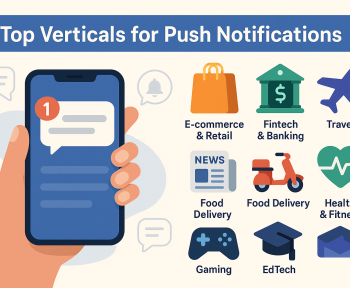
Push ads are notifications sent directly to a user’s device, resembling system alerts. Because users opt in to receive them, push notifications tend to have higher engagement rates than many other formats. They work particularly well for retargeting and re-engaging users who have already shown interest in a product or service.
Banner Ads
Banner ads are the classic visual advertisements placed on websites in various sizes and positions. They remain a reliable choice for brand awareness campaigns thanks to their visibility and flexibility across desktop and mobile placements.
Native Ads
Native ads blend seamlessly into the content of the platform they appear on, mimicking the look and feel of the surrounding material. This format typically generates higher trust and engagement because it doesn’t feel like a typical intrusive ad.
Smartlink Advertising
Smartlink advertising automatically routes traffic to the best-converting offer based on user data such as location, device, and behavior. This is a great option for advertisers who want to maximize conversions without manually testing multiple offers.
Comparing Ad Formats: Which One Fits Your Goals?
| Ad Format | Best For | Engagement Level | Cost Efficiency | Typical Verticals |
|---|---|---|---|---|
| Popunder/Clickunder | High-volume traffic, brand exposure | Medium | Very high | Gambling, dating, sweepstakes |
| Push Ads | Retargeting, direct engagement | High | High | E-commerce, finance, utilities |
| Banner Ads | Brand awareness, visibility | Medium | Medium | E-commerce, SaaS, services |
| Native Ads | Trust-building, content marketing | High | Medium | News, health, finance |
| Smartlink | Conversion optimization | High | High | Multi-vertical, affiliate offers |
How to Choose the Right Ad Format
Define Your Campaign Goal
Are you aiming for brand awareness, lead generation, or direct sales? Popunders and banners work well for exposure, while push ads and smartlinks are better suited for conversions.
Know Your Audience
Understanding where your audience spends time and how they interact with content will guide your format choice. Mobile-heavy audiences often respond better to push notifications, while desktop users may engage more with banners.
Consider Your Budget
If you’re working with a limited budget, formats like popunders offer massive reach at a low cost, whereas native ads may require a higher spend to achieve similar visibility.
Test Multiple Formats
Running A/B tests across different formats helps identify what truly resonates with your target audience. Tools like real time bidding for advertisers allow you to optimize spend dynamically across formats in real time.
Tips for Maximizing Ad Format Performance
- Rotate creatives regularly to avoid ad fatigue
- Use geo-targeting to tailor formats to specific regions
- Combine formats (e.g., push ads for retargeting after popunder exposure)
- Monitor performance metrics daily and adjust bids accordingly
- Leverage smartlink technology to automatically optimize conversions
For Publishers: Monetizing Your Traffic
Choosing the right format isn’t only an advertiser’s concern. Publishers looking to monetize their traffic can benefit from joining an ads network for publishers, which offers access to multiple ad formats tailored to different content types. For mobile app developers, integrating an Android SDK for publishers makes it easy to implement push and native ad formats directly within apps for seamless monetization.
FAQ
What is the best ad format for beginners?
Popunder ads are often recommended for beginners due to their simplicity, low cost, and high traffic volume, making them a good starting point for testing campaigns.
Which ad format has the highest engagement rate?
Push ads and native ads typically have the highest engagement rates because they feel less intrusive and are often opt-in or contextually relevant.
Can I use multiple ad formats in one campaign?
Yes, combining formats is a common strategy. For example, using banner ads for awareness and push ads for retargeting can improve overall campaign performance.
What is smartlink advertising and how does it work?
Smartlink advertising automatically directs traffic to the highest-converting offer based on real-time user data, eliminating the need to manually select individual offers.
How do I know which format works best for my niche?
Testing is essential. Start with two or three formats, monitor performance closely, and scale the ones delivering the best cost-per-conversion for your specific vertical