Digital advertising never stands still. Every year new formats rise, old ones adapt, and the balance of power between advertisers and publishers shifts a little further toward automation and personalization. For anyone running campaigns or monetizing traffic in 2026, understanding where ad formats are heading isn’t optional — it’s the difference between scaling profitably and falling behind.
This article looks at the biggest shifts happening across the industry and what they mean for both sides of the market.
Why Ad Formats Keep Changing
Three forces are reshaping how ads are built and delivered: stricter privacy regulation, smarter targeting technology, and users who are increasingly good at tuning out anything that feels intrusive. Formats that survive are the ones that adapt to all three at once — staying visible without becoming annoying, and staying profitable without relying on invasive tracking.
This is why some of the oldest formats in the industry, like popunder and clickunder ads, are still thriving: they’ve evolved their targeting and frequency capping rather than disappearing. Meanwhile newer formats built around native placement and machine-driven optimization are growing fastest.
Key Trends Shaping the Next Generation of Ad Formats
1. Native Formats Are Becoming the Default, Not the Exception
Users have grown fatigued by anything that looks obviously like an ad. That’s pushing native ads from a niche option into a standard requirement for publishers who want to keep engagement high. Native placements blend into surrounding content, which improves click-through rates and reduces banner blindness — a growing problem for traditional display formats.
2. Push Notifications Are Getting Smarter, Not Louder
A few years ago, push ads were criticized for being repetitive and poorly targeted. That’s changing fast. Modern push ads now rely on behavioral segmentation and subscription-based delivery, meaning users only see offers relevant to their browsing habits. The result is a format that keeps its high visibility while becoming noticeably less intrusive.
3. Real-Time Bidding Is Expanding Beyond Display
Real-time bidding for advertisers used to be closely tied to banner inventory. Today RTB infrastructure powers native, push, and popunder formats too, letting advertisers bid dynamically across multiple channels from a single dashboard. This shift toward unified, programmatic buying is one of the clearest signs that ad formats are converging around automation rather than staying siloed by type.
4. Smartlinks Are Replacing Manual Offer Selection
Choosing the “right” offer for every geo, device, and traffic source manually is no longer realistic at scale. Smartlink advertising solves this by automatically routing traffic to the highest-converting offer in real time, based on live performance data. Expect smartlink logic to increasingly sit behind other formats as a background optimization layer, not just a standalone tool.
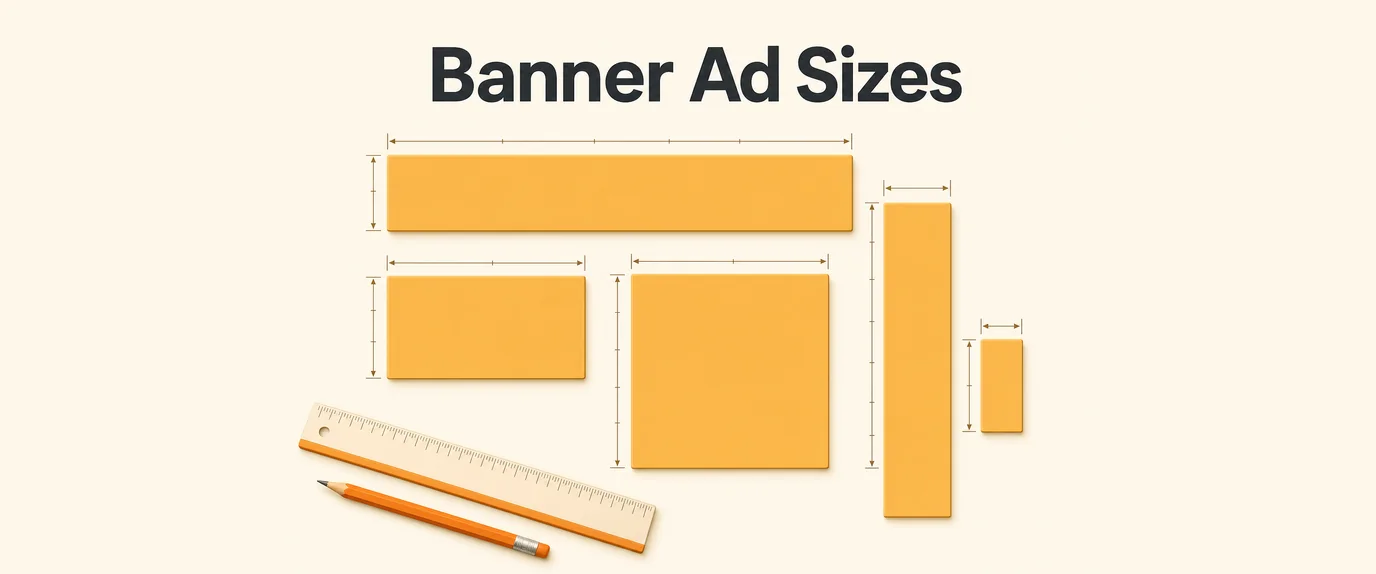
5. Banners Are Consolidating Around Fewer, Better-Performing Sizes
Banner ads remain a reliable format, but the trend is toward fewer standardized sizes optimized for speed and mobile rendering, rather than the sprawling size libraries of the past. Faster load times directly improve viewability, which is pushing publishers to prioritize quality placements over sheer quantity.
6. Mobile-First Monetization via SDK Integration
As mobile traffic continues to dominate, publishers are moving away from web-only monetization toward in-app solutions. An Android SDK for publishers allows app developers to integrate multiple ad formats directly into their apps with minimal setup, capturing revenue from an audience that increasingly never opens a browser at all.
Comparison Table: Ad Format Trends at a Glance
| Format | Main Trend in 2026 | Best Suited For |
|---|---|---|
| Popunder / Clickunder | Improved frequency capping, smarter targeting | High-volume traffic monetization |
| Push Ads | Behavioral segmentation, subscription-based delivery | Re-engagement, mobile and desktop users |
| Native Ads | Becoming the default display format | Content-heavy sites, higher engagement |
| Banner Ads | Consolidation around fewer, faster sizes | Brand visibility, established placements |
| Smartlink | Automated offer routing in real time | Simplifying multi-offer campaigns |
| RTB | Expansion across formats, unified bidding | Advertisers scaling across channels |
What This Means for Advertisers and Publishers
For advertisers, the shift toward automation and cross-format bidding means campaigns can scale faster with less manual optimization — but it also raises the bar for creative quality, since automated systems reward formats and offers that genuinely perform. Platforms built as an ads network for advertisers are increasingly built around this logic, combining multiple formats with real-time optimization tools.
For publishers, the opportunity lies in diversifying monetization across formats rather than relying on a single one. Combining native, push, and popunder inventory through an ads network for publishers spreads risk and captures more of the available demand, especially as advertiser budgets shift dynamically between formats via RTB.
What to Expect Going Forward
- Greater format convergence — smartlinks and RTB logic increasingly sit behind multiple formats rather than functioning as separate products.
- Continued mobile prioritization — SDK-based integration will keep growing as app usage outpaces mobile web.
- Stricter but smarter targeting — privacy-conscious behavioral targeting will replace older, broader tracking methods.
- Native as a baseline expectation — even non-native formats will borrow native’s contextual, less intrusive design principles.
- Consolidation of underperforming placements — publishers will trim low-quality inventory in favor of fewer, better-optimized formats.
FAQ
Which ad format is growing fastest right now? Native ads and smartlink-driven campaigns are seeing the strongest growth, largely because they adapt automatically to user behavior and reduce manual optimization work.
Are popunder ads still effective in 2026? Yes. Popunder and clickunder formats remain effective for high-volume monetization, especially now that targeting and frequency capping have significantly improved compared to earlier years.
Is push advertising still relevant with stricter privacy rules? Push ads have adapted well to privacy changes by relying more on subscription-based delivery and on-platform behavioral data rather than third-party tracking.
Do I need separate tools for each ad format? Not necessarily. Many networks now combine multiple formats, RTB, and smartlink optimization into a single platform, reducing the need to manage separate tools for each format.
How important is mobile SDK integration for publishers? Very important. With mobile and in-app usage continuing to grow, an SDK integration is often the most direct way for publishers to capture revenue from app-based audiences.
Final Thoughts
The future of ad formats isn’t about one format replacing another — it’s about convergence. Native design principles, real-time bidding, and automated offer routing are increasingly working together across every format, from banners to push notifications. Advertisers and publishers who adapt to this connected approach, rather than treating each format as an isolated channel, will be best positioned to grow as the industry keeps evolving