In 2026, with the cost of a click on Facebook or Google Search rivaling the price of a barrel of oil, Popunder and Clickunder remain the only way to acquire an “ocean” of traffic for pennies. While critics have predicted their death for a decade, professional media buyers in Tier-1 and Tier-2 regions continue to extract 200–300% ROI from these formats.
Here’s why they persist and how to make “Pops” work for your wallet.
1. Divide and Conquer: The Anatomy of Formats
In 2026, the technical implementation of these formats is crucial for bypassing smart browser filters.
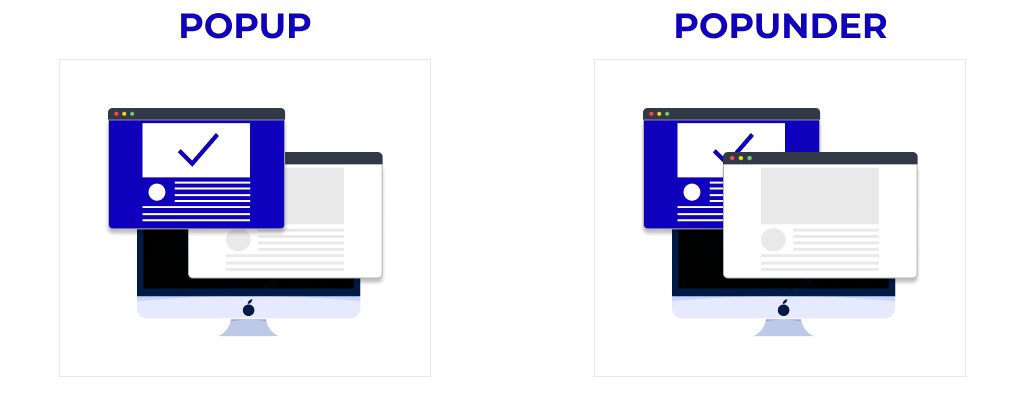
- Popunder: The ad tab opens behind the current browser window. The user discovers it only after closing the main site.
- The Pro: Lower annoyance, “delayed discovery” effect.
- Clickunder: The most aggressive method. A new tab opens the moment a user clicks anywhere on the site.
- The Pro: Guaranteed attention here and now. Perfect for “urgent” offers.
2. The Psychology of the “Direct Hit”
The primary advantage of Pop traffic is the absence of banner blindness. The user has zero chance of “ignoring” your ad.
- Attention Capture: In 2026, attention is the most expensive currency. A Pop-up takes 100% of it. You have exactly 2 seconds to hook the user with your landing page headline.
- Impulse Decisions: This traffic is ideal for “Pain & Solution” offers. The user sees a problem (vulnerability, slow internet, a chance to win) and clicks without hesitation.
- Funnel Purity: There are no “creatives” in the traditional sense. Your landing page is the creative. This allows for rapid and cheap testing of your funnels.
3. The 2026 Tech Stack: Anti-AdBlock and Speed
Browsers have grown smarter, but ad networks (like GTaro Ads) have adapted.
- Stealth Scripts: Modern Pop call codes mimic technical analytics scripts or system fonts, making them invisible to 95% of ad blockers.
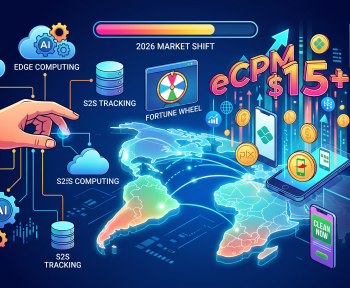
- Edge Computing: In 2026, ads are served from the server closest to the user. If your Pop takes longer than 1 second to load, you are burning your budget. Speed is the god of Pop traffic.
4. Top Verticals for Popunder/Clickunder in 2026
Not everything works with Pops. Here are the “golden” niches:
- Utilities (VPN, Antivirus, Cleaners): The classic “Your connection is not secure” approach still generates millions.
- Sweepstakes: “You are the 1,000,000th visitor.” In the era of AI personalization, these offers have become frighteningly convincing.
- iGaming & Betting: Fast tracking to registration or a deposit bonus.
- Pin-Submits: Direct one-click mobile subscriptions.
5. Optimization Checklist: Avoiding Budget Bleed
- Frequency Cap (1/24): One impression per user every 24 hours. This is the law. Anything more results in rage and reports.
- White & Black Lists: Pop traffic is inherently “noisy.” Without strict site ID filtering, you will never reach profitability.
- OS Targeting: Run Utilities on older OS versions, Dating on mobile, and Sweeps on everything.
The Verdict: The Role of Pop Traffic in 2026
Popunder and Clickunder in 2026 are not “spam from the past” but a scaling powerhouse. It is the fastest way to test a hypothesis: if your landing page doesn’t convert on Pop traffic, it likely won’t convert anywhere.
Main Conclusion: Use Pops as a filter for your pre-landers and as a source of unlimited volume. In a world of expensive targeting, the ability to work with “cheap and aggressive” traffic is the superpower that separates top buyers from beginners.
FAQ
1. Why do popunder and clickunder ads still dominate in 2026?
Because they deliver extremely high traffic volumes at low cost, making them one of the most scalable formats for aggressive performance marketing campaigns.
2. What is the difference between popunder and clickunder ads?
Popunder ads open in a new browser window behind the active tab, while clickunder ads are triggered after a user click and open in the background.
3. Are popunder ads still effective for conversions?
Yes, when properly targeted and optimized, they can generate strong conversion rates, especially in entertainment, dating, gaming, and utility niches.
4. What niches perform best with popunder traffic?
Typically high-volume and impulse-driven niches like gaming, betting, dating, streaming, software downloads, and sweepstakes perform best.
5. How can advertisers optimize ROI in popunder campaigns?
By using precise targeting, frequency capping, A/B testing landing pages, and continuously filtering low-quality traffic sources.