The era of stock photos featuring “smiling doctors” and “happy investors” is officially dead. In 2026, affiliate marketing has ascended to the level of hyper-realistic manipulation, where the line between a standard advertisement and a video call from a friend has been almost entirely erased.
1. From Stock Photos to “Live” Characters
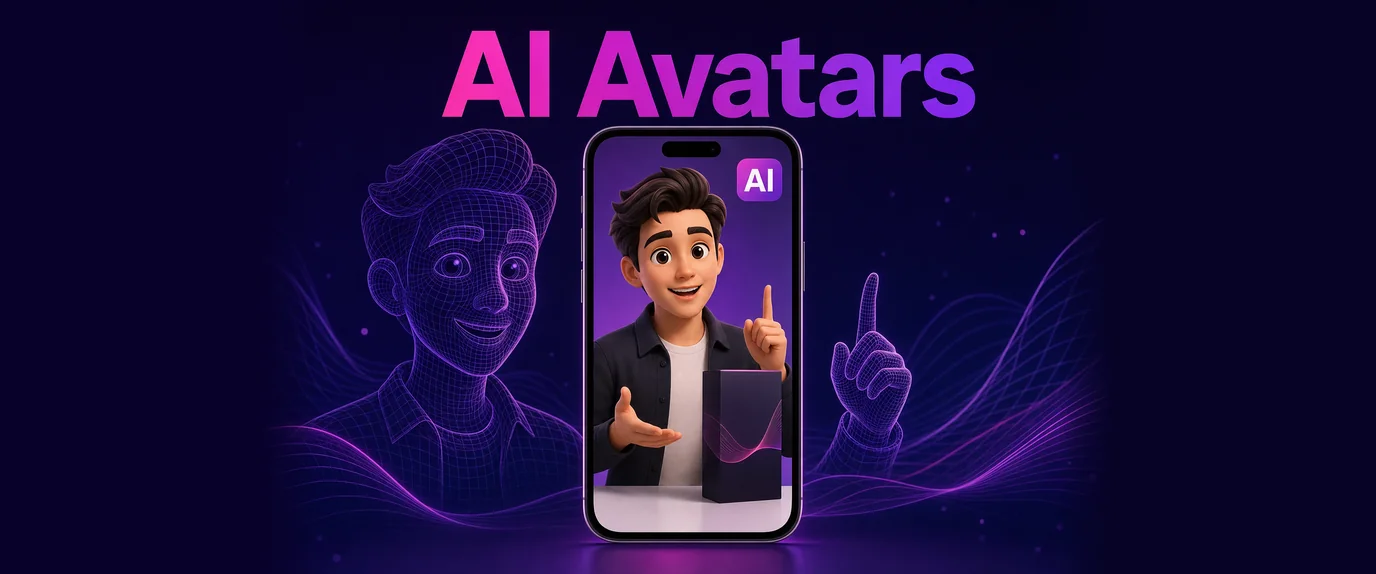
The main problem with stock photos is their inherent lifelessness. In 2026, media buyers leverage neural networks (such as advanced versions of HeyGen or proprietary in-network AI engines) to create avatars that:
- Maintain Eye Contact: The avatar’s gaze is programmatically corrected to ensure they are always looking directly at the user.
- Feature Perfect Lip-Sync: AI adjusts lip movements to match any language or local dialect in real-time.
- Mimic Platform Interfaces: In Push notifications, the avatar appears as a thumbnail for an incoming video call on WhatsApp or Telegram, triggering an immediate psychological response.
2. The Psychology of the “Personal Address”
When a user sees a person in a native block who addresses them by name (thanks to dynamic macros) in a flawless local dialect, trust levels skyrocket by 400-500% compared to a traditional banner.
3. Ethics and “Ecological” Marketing in 2026
With great power comes great responsibility (or more accurately, massive fines). In 2026, regulators and ad platforms utilize AI detectors that instantly identify undisclosed deepfakes.
How to run “ecological” campaigns and avoid the banhammer:
- The “AI-Generated” Label: In 2026, this doesn’t kill your conversion; on the contrary, it boosts loyalty. Users have come to value transparency.
- No Celebrity Impersonation: Using a celebrity’s likeness without consent is a direct path to hardware-level account bans and federal lawsuits.
- SynthID and Watermarking: Utilizing hidden digital signatures proves your creative was produced by compliant software and contains no malicious intent.
Comparison: Stock vs. AI Avatar (2026 Use Cases)
| Parameter | Stock Photo (2024) | AI Avatar (2026) |
| Native CTR | 0.5% | 2.8% – 4.5% |
| Trust Rate | Low | High (Video-chat effect) |
| Localization | Text on image | Full VO in 50+ dialects |
| Campaign Lifespan | 2-3 days | 2-3 weeks (due to variety) |
Summary
The evolution of creatives has moved from static deception to interactive realism. AI avatars allow you to scale “human” trust across thousands of GEOs simultaneously. In 2026, the winner isn’t necessarily the one with the best offer, but the one with the most convincing “human” interface.
FAQ
1. What are AI avatars in affiliate marketing?
AI avatars are digitally generated personas that mimic real humans using artificial intelligence. In affiliate marketing, they are used to present products, create content, and engage audiences without requiring a real person on camera.
2. How do deepfake creatives impact consumer trust?
Deepfake creatives can both enhance and undermine trust. While they allow for highly personalized and scalable content, misuse or lack of transparency can lead to skepticism and reduced credibility among audiences.
3. Are AI-generated influencers legal to use in marketing?
Yes, AI-generated influencers are legal in most regions, but marketers must follow advertising regulations, including proper disclosure and avoiding deceptive practices.
4. What are the benefits of using AI avatars for affiliates?
AI avatars offer scalability, cost efficiency, consistent branding, and the ability to localize content across multiple markets without hiring multiple creators.
5. How can marketers maintain trust when using deepfake content?
Transparency is key. Clearly disclose the use of AI, focus on authentic messaging, and ensure that content aligns with ethical guidelines and audience expectations.