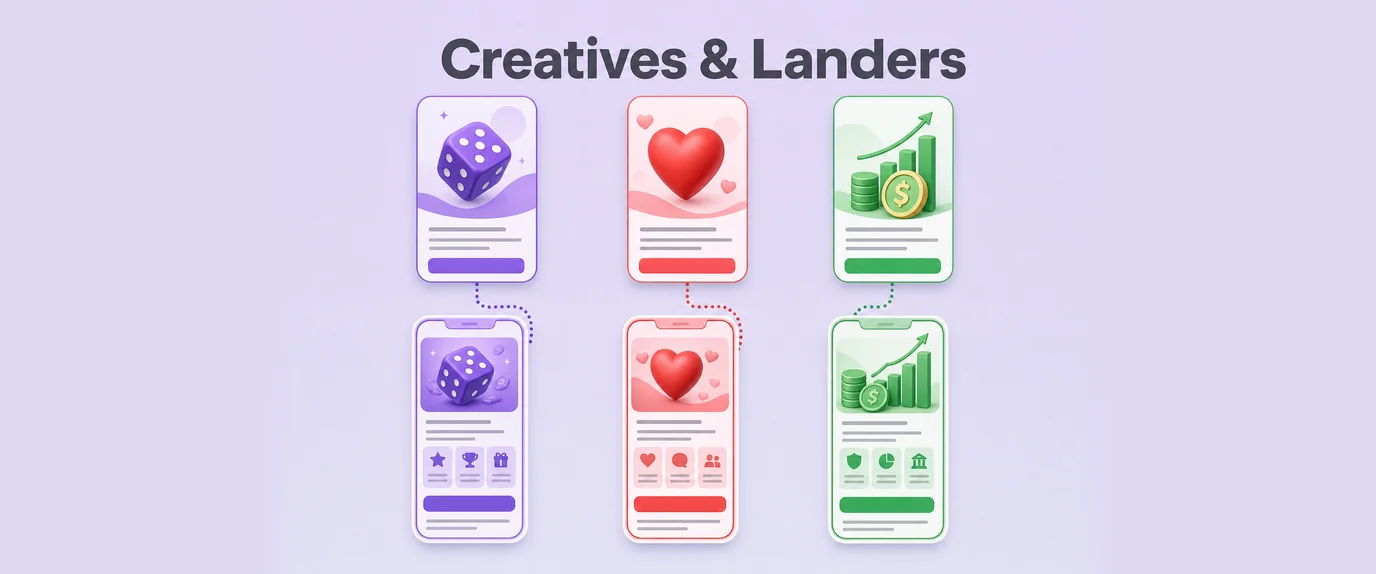
Digital advertising isn’t a one-size-fits-all game. Every platform, audience, and goal calls for a different ad format, and picking the wrong one can quietly drain a budget without delivering results. Whether you’re an advertiser chasing conversions or a publisher looking to monetize traffic, understanding the mechanics behind each format is the first step toward building campaigns that actually perform.
This guide breaks down the most widely used ad formats in the industry today, explains how they work, and helps you decide which one suits your strategy.
Why Ad Format Choice Matters
Not all impressions are created equal. A format that works brilliantly for a mobile gaming app might flop on a news website. Choosing the right format affects:
- Click-through rates and engagement
- User experience and brand perception
- Cost per acquisition and overall ROI
- How well the ad blends into the platform it appears on
Below, we walk through the core formats available through an ads network for advertisers and explain how each one fits into a broader monetization or acquisition strategy.
Core Ad Formats Explained
Popunder and Clickunder Ads
These formats open a new browser window or tab either behind the current one (popunder) or in a new tab triggered by a click (clickunder). They’re known for high visibility since the user inevitably encounters the ad, making them a strong choice for offers that need broad reach fast. Learn more about popunder and clickunder ads and how they’re typically priced and targeted.
Push Ads
Push notifications land directly on a user’s device, whether desktop or mobile, even when they’re not browsing the advertiser’s site. Because users opt in to receive them, push ads tend to have a highly engaged audience. They’re especially effective for time-sensitive promotions, app installs, and retargeting. Explore the full mechanics of push ads to see how subscriber-based targeting works.
Banner Ads
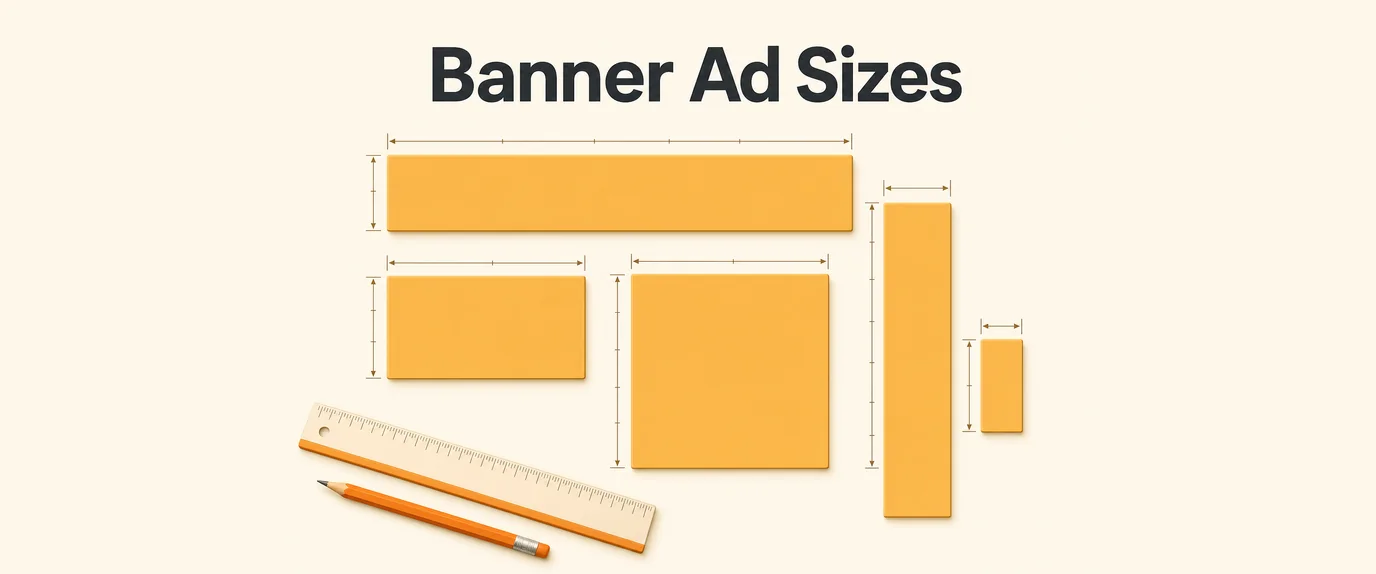
The classic of digital advertising. Banner ads are static or animated visual placements shown across websites in various sizes and positions. They’re versatile, relatively cheap to produce, and easy to A/B test. Despite being one of the oldest formats, banner ads remain a reliable channel for brand awareness and retargeting campaigns.
Native Ads
Native ads are designed to match the look and feel of the platform they appear on, showing up as recommended content, in-feed articles, or sponsored listings. Because they don’t disrupt the user experience the way pop-ups can, native ads generally see stronger engagement and lower ad-blindness rates.
Smartlink Advertising
Rather than sending traffic to a single offer, smartlink technology automatically routes each user to the highest-converting offer based on their device, location, and behavior. This is particularly useful for advertisers managing multiple offers or verticals at once. Check out how smartlink advertising simplifies traffic monetization without manual offer switching.
Comparing Ad Formats at a Glance
| Format | Best For | Engagement Style | Typical Use Case |
|---|---|---|---|
| Popunder/Clickunder | Mass reach, low CPC campaigns | Passive, guaranteed view | Sweepstakes, downloads, dating |
| Push | Re-engagement, mobile offers | Opt-in, active click | App installs, e-commerce alerts |
| Banner | Brand visibility, retargeting | Visual, moderate CTR | Awareness campaigns |
| Native | Content-heavy platforms | High trust, low intrusion | Content marketing, finance, health |
| Smartlink | Multi-offer campaigns | Automated routing | Affiliate and CPA marketing |
How Advertisers and Publishers Fit Into the Picture
For advertisers, choosing a format is only half the equation — targeting, bidding strategy, and creative quality matter just as much. Many advertisers rely on real time bidding to dynamically adjust spend based on inventory quality and performance in real time, ensuring budget goes toward the impressions most likely to convert.
Publishers, on the other hand, need to think about which formats maximize revenue without hurting user retention. Signing up with an ads network for publishers gives site owners access to multiple ad formats through a single integration, along with optimization tools to test what performs best for their specific traffic. For app developers specifically, an Android SDK for publishers makes it possible to integrate ad formats like push and native directly into mobile apps with minimal development overhead.
Tips for Choosing the Right Format
- Match the format to the platform. Native ads perform better on content sites; push ads work well for apps and services with recurring engagement.
- Consider the user journey. Popunders are effective for immediate action offers, while banners suit longer consideration cycles.
- Test before scaling. Run small budgets across two or three formats before committing spend to one.
- Watch your CPA, not just CTR. A high click-through rate means nothing if it doesn’t convert efficiently.
- Use automation where it makes sense. Smartlink and RTB reduce the manual guesswork of format and offer selection.
FAQ
What’s the difference between popunder and clickunder ads? Popunder ads open automatically behind the current browser window, while clickunder ads open in a new tab only when the user clicks somewhere on the page.
Are push ads considered intrusive? Not typically, since users must actively subscribe to receive them. This opt-in nature usually results in better engagement compared to unsolicited ad formats.
Which format has the best ROI? There’s no universal answer — it depends on the vertical, audience, and campaign goal. Testing multiple formats through a platform that supports real time bidding is the most reliable way to find what works.
Can I use multiple ad formats in one campaign? Yes, and it’s often recommended. Combining formats like native and push, or banner and smartlink, can help cover different stages of the user journey.
Do publishers need technical skills to integrate these formats? Basic integration is usually straightforward, especially with tools like an Android SDK that handles most of the technical setup for mobile publishers.
Final Thoughts
There’s no single “best” ad format — only the best format for your specific audience, platform, and campaign objective. The smartest approach is to understand what each format offers, test combinations, and lean on automation tools like smartlinks and RTB to keep optimizing over time