The classic native advertising chain of “Teaser → Pre-lander → Landing Page → Order Form” is officially considered an archaism in 2026. Every single click and transition in this funnel results in a 30–40% drop-off in the audience.
Zero-Click Native (ZCN) technology transforms the native ad unit itself on the publisher site into a fully functional interactive funnel where conversion occurs without a single external redirect.
1. Interactive Widget Instead of a Static Link
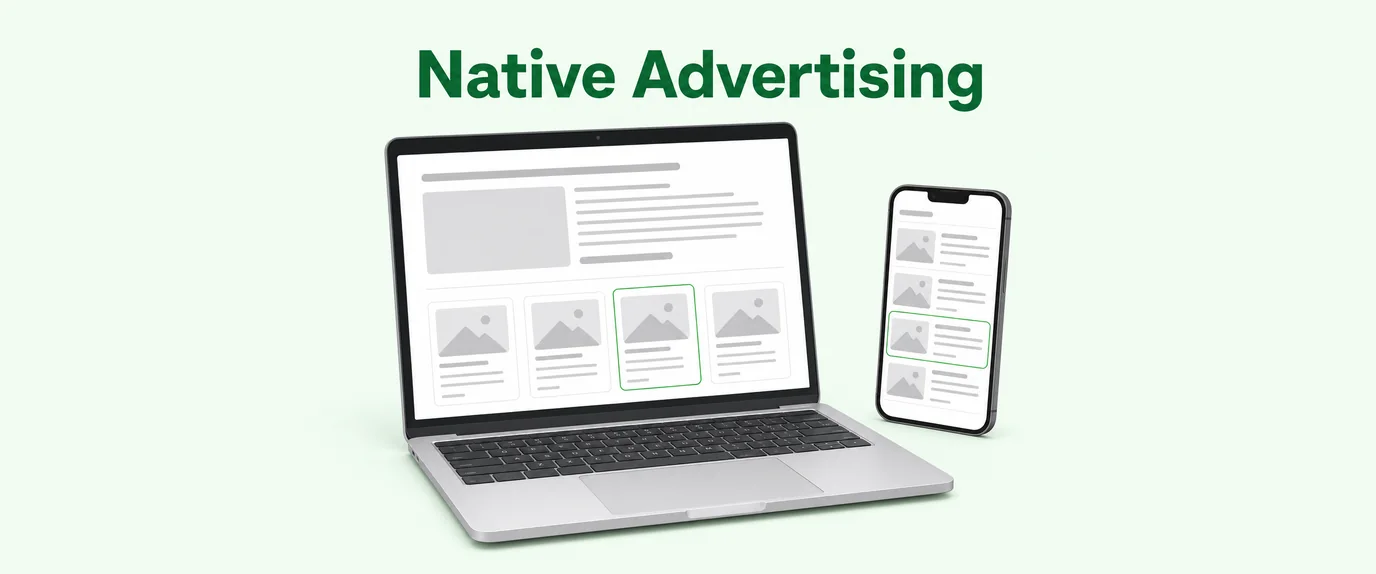
In 2026, a native block at the bottom of an article is no longer just an image with an intriguing headline. It is a dynamic micro-interface built on next-generation Web Components.
A user finishes reading an article on healthy eating and spots a native block offering a quick 3-question quiz right on the spot to determine their ideal body mass index. The user clicks through the answer choices directly inside the native widget without ever leaving their favorite news site.
2. On-the-Fly AI Interface Generation
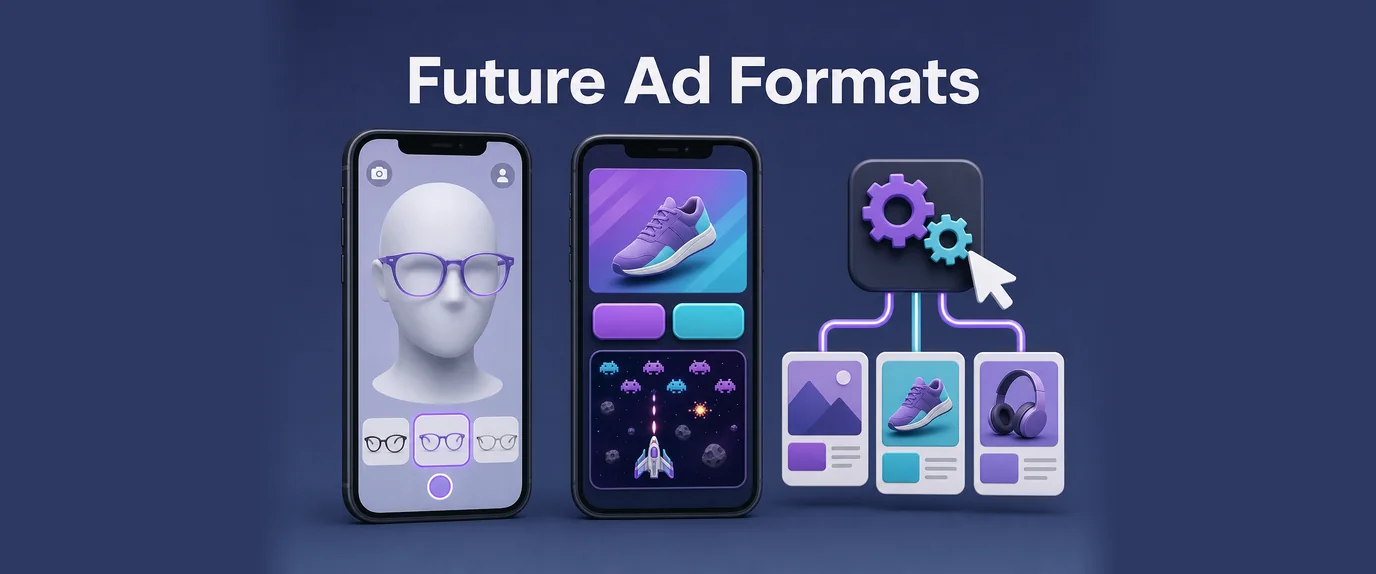
Thanks to integration with large language models, the widget adjusts its structure based on user actions in real time:
- If the user displays skepticism (toggling through quiz questions slowly), the AI instantly displays a block within the widget containing a blockchain-verified Proof-of-Trust (PoT) review for the product.
- If the user acts impulsively, the widget immediately brings up a contact info field or an instant purchase button.
There are absolutely no transitions to external pre-landers—all the marketing copy that used to be spread across pre-landers is now condensed and packed into the architecture of a single interactive block.
3. Seamless Conversion via API and Web3 Wallets
How does the conversion actually take place in Zero-Click Native?
- For Nutra and E-commerce: The phone number entry field (for the call center) or shipping address input is built right into the final stage of the widget. The data flies directly into the advertiser’s CRM through a direct API gateway.
- For Info-products and Subscriptions: Integration with 2026-standard browser micro-payments and Apple Pay/Google Pay allows the user to pay for trial access or a subscription in a single click (or via FaceID) without even breaking away from reading the main article.
Comparison: Classic Native vs. Zero-Click Native (2026)
| Parameter | Classic Native (2024) | Zero-Click Native (2026) |
| User Path | Teaser → Redirect → Landing Page | Interaction inside a single widget |
| Traffic Loss | High (at every transition step) | Minimal (0% loss on clicks) |
| Interface | Static banner + text | Interactive AI micro-app |
| Average CR | 1.5% – 3% | 12% – 18% due to zero friction |
Detailed Summary: Frictionless Marketing
Zero-Click Native in 2026 is the logical final stage in the battle to reduce user experience friction. We have stopped forcing people to navigate through our websites—instead, we have brought our funnel directly to where they are already comfortable staying.
Key Takeaways for Media Buyers:
- On-the-Spot Conversion: The ultimate efficiency metric is no longer the ad’s CTR, but the Interaction-to-Conversion Rate (ICR). It is vital not just to get someone to click a teaser, but to actively engage them in a micro-game or mini-poll right within the block itself.
- Tech Stack Overhaul: Media buying teams are abandoning the maintenance of hundreds of landing pages and heavy redirect trackers. Budgets are shifting toward developing adaptive JS widgets and paying for AI API requests that customize content directly within the ad placement.
- Publisher Trust: News websites and blogs are significantly more willing to host Zero-Click blocks. They do not lose their audience since users do not exit their resource, while publishers enjoy an increased eCPM share due to the abnormally high conversion rates.
The Verdict: In 2026, seamlessness wins. The Zero-Click Native format blurs the line between content and advertising, turning a native block into a helpful interactive service. Stop trying to pull users over to your domain—sell to them exactly where they are right now.
FAQ
What is zero-click native advertising?
Zero-click native advertising is a format where users interact directly with on-platform widgets or experiences, completing actions without being redirected to external landing pages.
How do native widgets improve conversion rates?
They reduce friction by keeping users inside the platform, allowing faster decisions, fewer drop-offs, and smoother interactions, which typically increases conversion rates (CR).
What metrics matter most in zero-click campaigns?
Key metrics include engagement rate, click-to-action rate within the widget, conversion rate (CR), cost per conversion, and post-interaction retention signals.
How can creatives be optimized for native widgets?
Focus on clarity, strong hooks, minimal cognitive load, native-style visuals, and direct calls-to-action that match user intent within the platform experience.
What are common mistakes in zero-click native strategies?
Overcomplicated creatives, unclear value propositions, ignoring platform context, and failing to optimize for in-widget behavior instead of external landing page flow