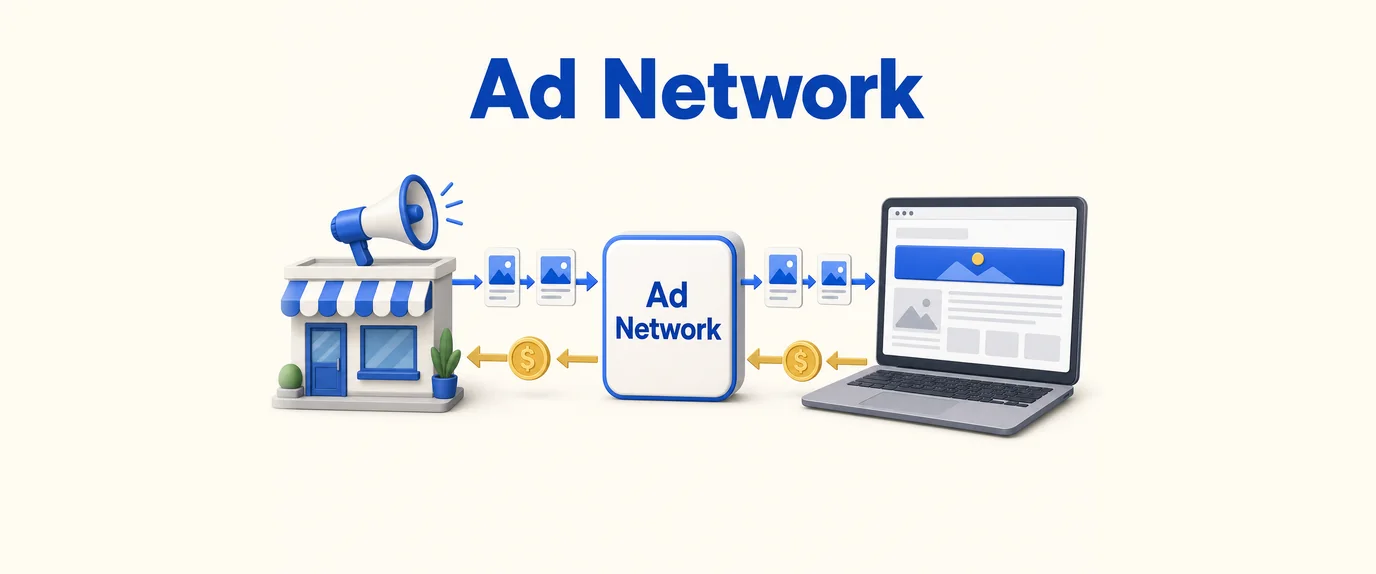
In the fast-paced digital world, relying on a single income source can be risky, especially for website owners, app developers, and content creators. One of the most effective ways to stabilize and increase your earnings is by diversifying your income streams through multiple ad networks. This strategy not only maximizes revenue but also reduces dependency on one platform.
Why Diversify Your Ad Networks?
Using a single ad network may seem convenient, but it comes with risks. For instance, policy changes, payment delays, or algorithm updates can impact your income. Diversifying ensures:
- Revenue stability: Different networks have different demand and payout models.
- Higher fill rates: When one network has low demand, others can fill the gaps.
- Better optimization opportunities: Multiple networks allow for A/B testing of ad formats, placements, and targeting strategies.
- Global reach: Some networks perform better in certain countries, so using multiple platforms can increase international revenue.
Popular Ad Networks to Consider
Here’s a list of widely used ad networks that complement each other:
| Ad Network | Strengths | Best For | Payment Terms |
|---|---|---|---|
| Google AdSense | High reliability, massive inventory | Blogs, content websites | Monthly, $100+ threshold |
| Media.net | Contextual ads, Yahoo & Bing partnership | Niche content sites | Net 30, $100+ |
| AdThrive | Premium CPM, high-quality advertisers | Lifestyle & food blogs | Net 45, $25 minimum |
| PropellerAds | Pop-under, push notifications | Mobile traffic, smaller sites | Net 15, $25 minimum |
| Ezoic | AI optimization, multiple ad partners | Blogs, news portals | Net 30, $20 minimum |
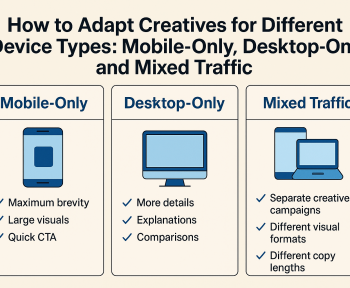
By combining networks, you can optimize ad formats for both desktop and mobile, target multiple demographics, and increase overall CPM (cost per mille).
Steps to Effectively Use Multiple Ad Networks
- Evaluate Your Traffic
Understanding your audience is crucial. Consider factors like geographic location, device usage, and niche interests. - Choose Complementary Networks
Pair premium networks like AdThrive or Ezoic with contextual or mobile-friendly networks such as Media.net or PropellerAds to maximize coverage. - Implement Ad Mediation Platforms
Ad mediation platforms automatically allocate ads from multiple networks based on performance, increasing fill rates and revenue without manual intervention. - Test and Optimize
Continuously test different ad formats, placements, and networks. Use A/B testing to identify high-performing combinations. - Monitor Performance Metrics
Track CTR (click-through rate), RPM (revenue per thousand impressions), and eCPM (effective cost per mille) across networks. Identify underperforming channels and adjust.
Common Mistakes to Avoid
- Overloading your site with ads: Too many ads can hurt user experience and SEO.
- Ignoring network policies: Violating terms can lead to bans or account suspension.
- Neglecting optimization: Simply adding networks without monitoring performance can reduce revenue.
Conclusion
Diversifying your income stream with multiple ad networks is not just a strategy—it’s a necessity in today’s competitive digital environment. By carefully selecting networks, testing strategies, and monitoring performance, you can maximize revenue, reduce risks, and ensure long-term stability for your website or app. Remember, the key is balance: multiple ad networks work best when implemented thoughtfully, respecting user experience and content quality.
FAQ
Why should I use multiple ad networks instead of just one?
Using multiple ad networks helps stabilize revenue, increase fill rates, and optimize ad performance. It reduces dependency on a single platform and mitigates risks like policy changes or payment delays.
Which ad networks are best for small websites?
Small websites can benefit from networks like Media.net, PropellerAds, and Ezoic. These networks offer flexible payment terms, mobile-friendly formats, and contextual ads suitable for niche audiences.
How do I know which ad network performs best for my site?
Track key metrics like CTR (click-through rate), RPM (revenue per thousand impressions), and eCPM (effective cost per mille). Testing different networks and ad placements will show which combination maximizes revenue.
Can using multiple ad networks hurt my SEO?
Overloading your site with ads can negatively impact user experience and SEO. Use a balanced approach with thoughtful placements and avoid excessive ad density to maintain site performance and rankings.
What is ad mediation, and how does it help?
Ad mediation is a platform that automatically distributes ad requests to multiple networks based on performance. It increases fill rates, optimizes revenue, and reduces manual management of different ad networks.
How often should I optimize my ad strategy?
Regular optimization is crucial. Test ad formats, placements, and networks monthly or quarterly. Continuously monitor performance metrics to adapt your strategy to traffic trends and audience behavior.