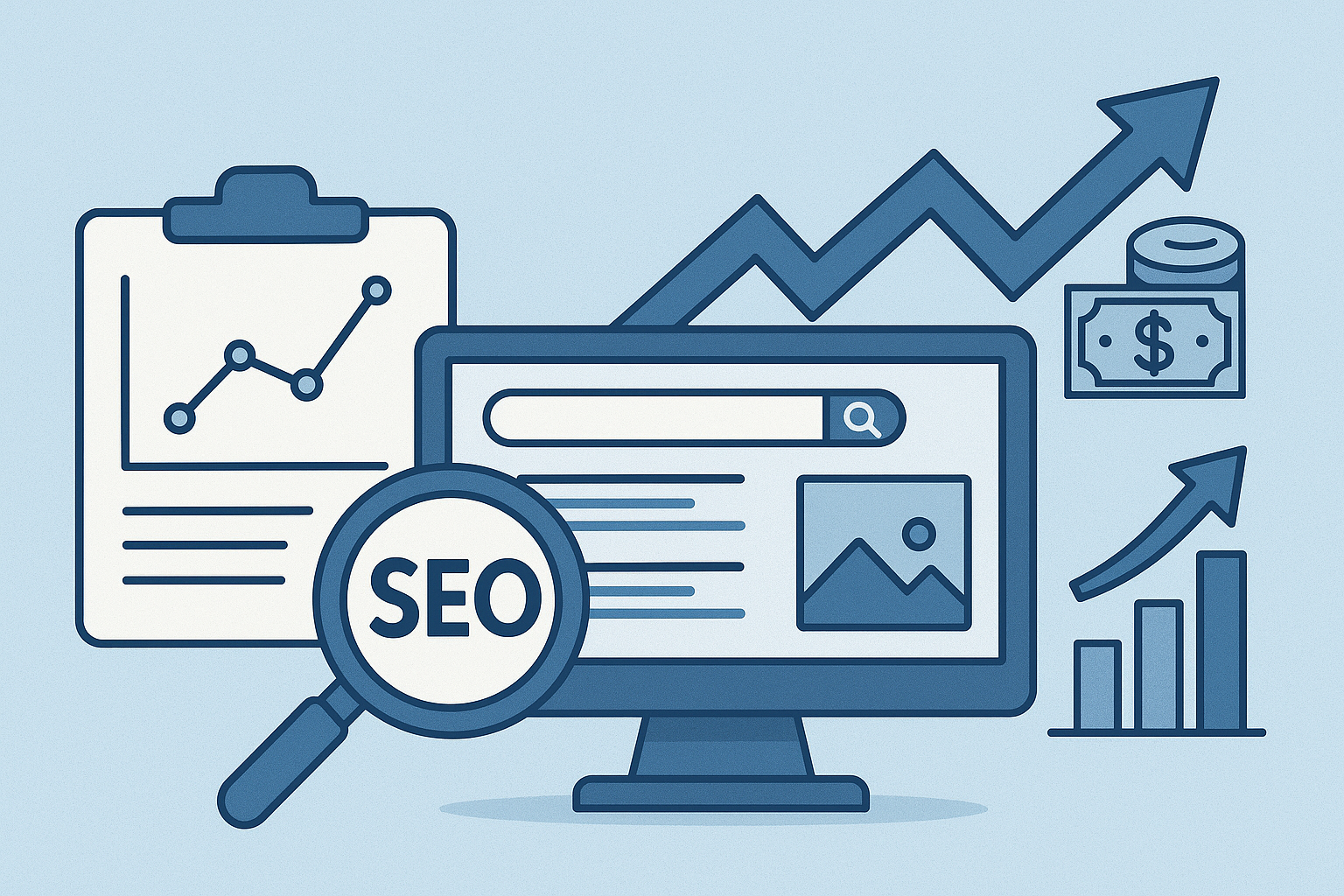
The digital publishing world has evolved beyond simple blogging. Publishers today compete not only against traditional media but also content platforms, influencers, and AI-generated media. In this hyper-competitive ecosystem, SEO (Search Engine Optimization) is no longer optional — it’s the core growth engine.
For publishers, SEO is the key to:
- Increasing organic visibility and sustaining consistent traffic.
- Building brand authority and audience trust.
- Enhancing monetization opportunities through ads, subscriptions, and affiliates.
Unlike product-focused SEO, publisher SEO focuses on audience development, content discoverability, and topic authority. This guide walks you through every element — from technical optimization and editorial workflows to monetization strategies and future trends.
1. Understanding the DNA of Publisher SEO
SEO for publishers revolves around three pillars:
- Visibility — Ensuring your content is found by search engines and surfaced to relevant audiences.
- Engagement — Delivering high-quality, trustworthy, and user-centered content.
- Revenue Conversion — Turning organic reach into monetization opportunities.
Key Differences Between Publisher SEO and Other SEO Models
| Focus Area | E-commerce SEO | Local SEO | Publisher SEO |
|---|---|---|---|
| Goal | Sales / Conversions | Foot Traffic / Calls | Traffic, Readership, Ad Revenue |
| KPI | Conversion Rate | Local Visibility | Pageviews, CTR, Dwell Time |
| Content Type | Product Pages | Service Info | Articles, News, Editorials |
| Strategy | Commercial Keywords | Geo Keywords | Topical Authority & Freshness |
Publisher SEO demands volume, velocity, and depth — an editorial operation powered by data.
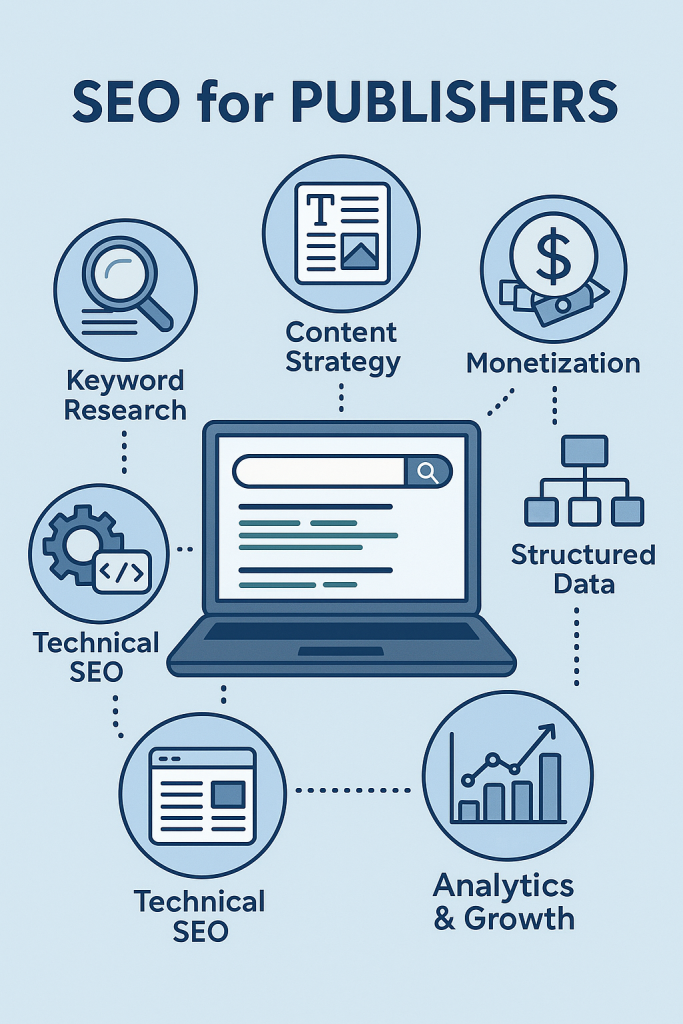
2. Building a Strong Technical Foundation
Technical SEO is the invisible infrastructure behind every high-performing publication. Without it, even the best editorial strategy will fail to scale.
a. Crawlability and Indexation
Search engines discover and rank your content only if they can crawl and index it efficiently.
Best Practices:
- Submit and maintain XML Sitemaps segmented by content type (news, categories, videos).
- Use robots.txt to block low-value sections (search results, filters, admin pages).
- Avoid crawl traps caused by pagination, tag duplication, or infinite scrolling.
- Implement canonical tags to consolidate duplicate versions of similar stories.
b. Site Architecture and URL Structure
A logical, flat hierarchy improves both user navigation and Googlebot efficiency.
Tips:
- Keep URLs descriptive and short.
- Use breadcrumbs for context.
- Interlink between related content categories to boost topical relevance.
c. Speed and Core Web Vitals
Google’s Core Web Vitals are user experience metrics directly tied to rankings:
- LCP (Largest Contentful Paint): Measures loading speed.
- CLS (Cumulative Layout Shift): Measures visual stability.
- FID (First Input Delay): Measures interactivity.
How to improve:
- Compress and convert images to WebP/AVIF.
- Use a CDN (Content Delivery Network) for global delivery.
- Defer non-essential JavaScript.
- Implement lazy loading for ads and media.
d. Mobile Optimization
Over 70% of readers consume news and articles on mobile devices.
Ensure:
- Responsive layouts adapt to all screen sizes.
- No intrusive interstitials block content.
- AMP (Accelerated Mobile Pages) or fast-loading equivalents are implemented if applicable.
3. Keyword Research for Publishers: Discoverability at Scale
For publishers, keyword research goes beyond one-time targeting — it’s about content ecosystems that reinforce authority and coverage.
a. Understanding Search Intent
Each piece of content must align with the user’s intent:
- Informational: “What is native advertising?”
- Navigational: “Forbes SEO tips section.”
- Transactional: “Subscribe to digital marketing newsletter.”
Mapping intent ensures the right content format and tone.
b. Topic Clustering and Semantic SEO
Google rewards depth over breadth.
Instead of publishing isolated posts, build clusters — a network of interlinked articles around a “pillar topic.”
Example:
- Pillar: “Digital Advertising for Publishers”
- Clusters:
- “What Is Header Bidding?”
- “How SSPs and DSPs Interact”
- “Ad Viewability Metrics Explained”
- “Programmatic vs Direct Deals”
c. Tools and Techniques
Use a mix of free and premium tools:
- Google Trends: Identify surging topics.
- Ahrefs / Semrush: Discover competitor keywords and backlinks.
- Search Console: Track impressions, CTRs, and underperforming pages.
- AnswerThePublic / AlsoAsked: Generate long-tail content ideas.
Tip: Monitor “People Also Ask” (PAA) questions — they reveal valuable content gaps.
4. Editorial SEO: Crafting Content That Ranks and Engages
a. Writing for Readers and Robots
Search engines reward clarity, structure, and engagement.
Follow these guidelines:
- Titles: Place primary keywords at the start.
- Subheadings: Use H2/H3 for scannability.
- Introductions: Hook the reader in 2–3 sentences.
- Paragraphs: Keep under 100 words for readability.
b. On-Page Optimization
- Include the target keyword naturally 3–5 times.
- Use internal links to older and newer articles.
- Add external links to authoritative sources.
- Optimize meta descriptions to boost CTR.
- Use schema markup for articles, FAQs, videos, and authorship.
c. Visual and Interactive Elements
Multimedia increases dwell time:
- Use infographics, data charts, and embedded videos.
- Enable social sharing buttons.
- Include related article widgets to improve session duration.
5. Structured Data and SERP Enhancements
Structured data (schema markup) helps Google display rich snippets, carousel features, and Top Stories inclusion.
Recommended schemas for publishers:
ArticleorNewsArticleBreadcrumbListVideoObject(for video content)FAQPageAuthor(for E-A-T credibility)
Benefits:
- Higher CTR through visual SERP elements.
- Eligibility for Google Discover and Top Stories carousel.
- Improved semantic understanding of content topics.
6. Backlinks and Authority Building
Backlinks remain a critical ranking factor. Publishers must focus on organic link acquisition and reputation-based SEO.
Effective strategies:
- Syndicate content via trusted news aggregators.
- Build journalist relationships through platforms like HARO.
- Publish data-driven reports or exclusive studies (high link potential).
- Encourage natural backlinks through evergreen reference pieces.
Avoid: Link exchanges or paid backlinks — they risk penalties.
7. Monetization Through SEO
SEO should directly contribute to revenue — not just traffic vanity.
a. Advertising Revenue
- Optimize ad placement for viewability (above-the-fold, in-content).
- Implement lazy loading for better Core Web Vitals.
- Balance UX with ad density — use “content-to-ad ratio” best practices.
- Integrate with programmatic platforms like Google Ad Manager, Prebid, or Amazon TAM.
b. Subscription and Paywall Models
SEO fuels the top of your funnel — free discovery leads to paid loyalty.
- Offer free articles before triggering a soft paywall.
- Use content teasers for gated premium insights.
- Optimize landing pages for “Subscribe” intent keywords.
c. Affiliate and Sponsored Content
Publishers can generate high-value traffic with review, comparison, and buying guide content.
Example:
- “Top 10 WordPress Hosting Providers for Publishers”
- “Best SEO Tools for Newsrooms (2025 Edition)”
Ensure compliance with Google’s Product Review Guidelines and include rel="sponsored" tags.
8. Measuring Performance: Analytics and Continuous Improvement
Data-driven SEO ensures sustainable growth.
Key Metrics to Track
| Metric | Why It Matters |
|---|---|
| Organic Sessions | Overall visibility and growth |
| CTR (Click-Through Rate) | Title/meta effectiveness |
| Bounce Rate & Dwell Time | User engagement and content quality |
| Pages per Session | Content depth and interlinking success |
| Revenue per Visit | SEO ROI measure |
Tools to Use
- Google Analytics 4 (GA4) for user journey mapping.
- Search Console for keyword and index monitoring.
- Screaming Frog / Sitebulb for audits.
- ContentKing for real-time SEO health tracking.
Pro Tip: Schedule quarterly content refresh audits to update outdated articles and reclaim declining rankings.
9. Future Trends: What’s Next in Publisher SEO
The SEO landscape is evolving rapidly, especially with AI and privacy changes. Publishers must stay ahead by embracing innovation.
a. AI-Assisted Content
Use AI tools for topic research, summarization, and data insights, but maintain human editorial control to preserve originality and E-A-T credibility.
b. Voice and Visual Search
Optimize for conversational queries and include image alt text for Google Lens and Discover visibility.
c. First-Party Data and Personalization
With cookies fading out, publishers should:
- Collect first-party data (newsletter signups, subscriptions).
- Use behavior data to personalize recommendations.
d. Google Discover and News Optimization
- Use large, high-quality images (1200px+).
- Maintain consistent publication frequency.
- Craft clickable, emotional headlines (avoid clickbait).
- Ensure transparent authorship and brand trust.
Conclusion: SEO as the Engine of Sustainable Publishing
In 2025 and beyond, SEO is not just a marketing discipline — it’s the operating system of digital publishing.
It influences how stories are discovered, how audiences grow, and how media brands generate income.
By mastering the trifecta of technical excellence, editorial strategy, and monetization alignment, publishers can achieve:
- Long-term organic growth
- Stronger reader loyalty
- Higher advertising and subscription revenue
SEO isn’t just about search rankings — it’s about building a resilient, discoverable, and profitable publishing brand.
| SEO Element | Key Action | Impact |
|---|---|---|
| Technical SEO | Improve site speed, mobile optimization, structured data | Better crawlability & indexing |
| Content Strategy | Produce high-quality, audience-focused content | Higher rankings & engagement |
| On-Page Optimization | Optimize meta tags, headings, keywords | Improved CTR & visibility |
| Link Building | Acquire authoritative backlinks | Enhanced authority & rankings |
| User Experience (UX) | Simplify navigation, enhance design | Lower bounce rate & higher retention |
| Revenue Optimization | Integrate ads smartly, affiliate links | Increased monetization |
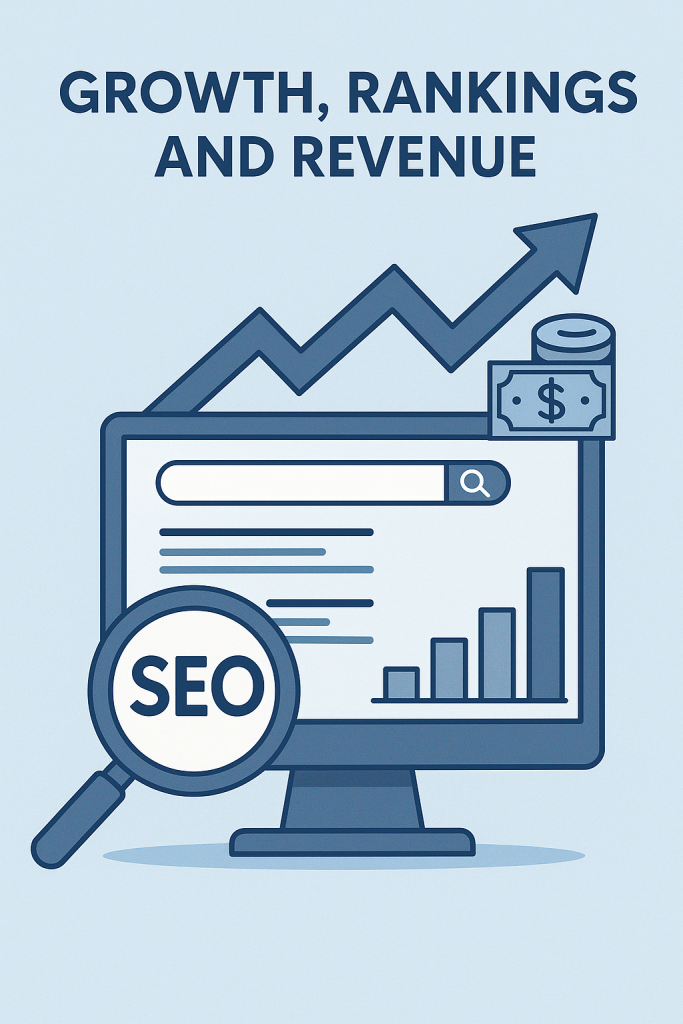
By consistently monitoring performance metrics and adapting to search engine updates, publishers can balance growth, rankings, and revenue, turning their websites into valuable digital assets.
FAQ
- Why is SEO important for publishers?
SEO drives organic traffic, increases visibility, and helps monetize content more effectively, giving publishers a competitive edge. - How often should I update my SEO strategy?
Regularly — at least quarterly — and whenever Google algorithm updates are announced to maintain rankings and traffic. - What are the best types of content for SEO growth?
Evergreen content, how-to guides, in-depth articles, and trending topics that match your audience’s search intent. - How can publishers balance content and monetization?
Focus on user experience first, optimize ad placements, and use affiliate links without compromising content quality. - Which SEO tools are recommended for publishers?
Google Search Console, SEMrush, Ahrefs, Screaming Frog, and analytics platforms for monitoring traffic, rankings, and backlinks.