Introduction: The Hidden SEO Power of Push Notifications
In a competitive digital landscape, marketers often focus on keywords, backlinks, and content updates — yet overlook one of the most powerful and cost-effective SEO boosters: push notifications. When used strategically, push notifications can improve engagement, drive returning visitors, and indirectly enhance your search rankings through stronger behavioral signals.
What Are Push Notifications?
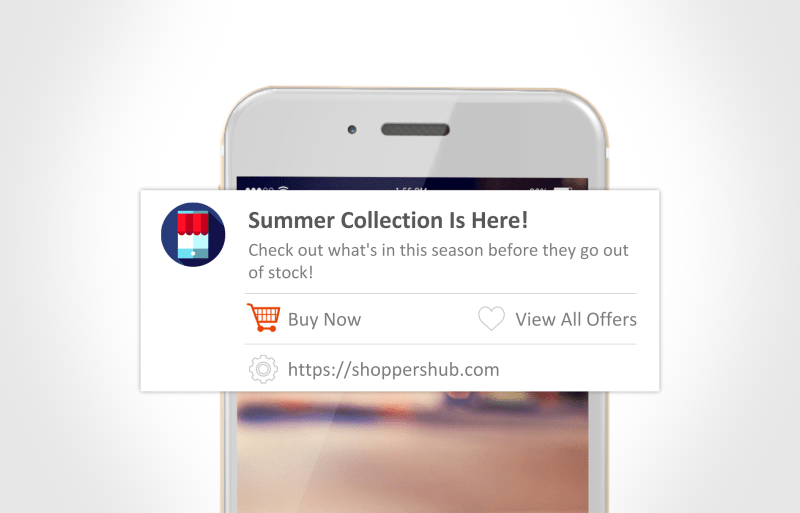
Push notifications are short, clickable messages sent directly to a user’s browser or mobile device. They reach your audience instantly, even when they are not on your website. These messages can promote new content, offers, or updates, helping to maintain constant communication with your visitors.
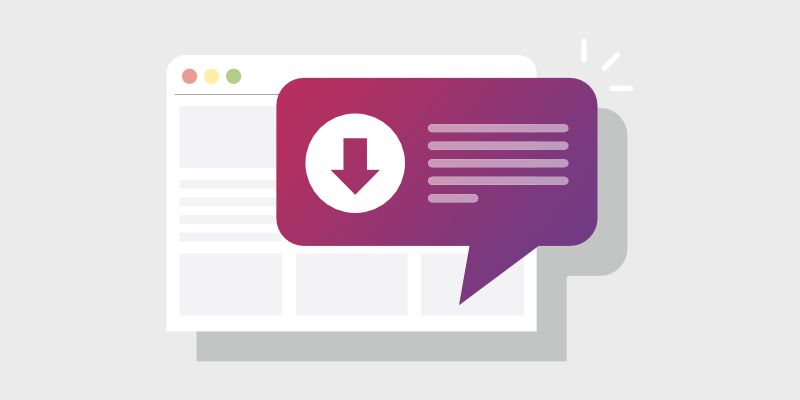
There are two main types of push notifications:
- Web Push Notifications: Delivered via browsers such as Chrome, Safari, or Firefox. Visible even when users are not browsing your site.
- Mobile Push Notifications: Sent through mobile applications to engage users in real time.
Why Push Notifications Drive Profit
1. Cost-Effective Re-engagement
Push notifications let you bring users back to your site without paid ads or email campaigns. Once a user subscribes, you can notify them about updates or promotions at zero additional cost.
2. Better Timing and Higher Conversions
Real-time delivery allows you to reach users when they are active. This immediacy increases click-through rates and conversions compared to traditional channels like email or social media.
3. Personalization and Audience Segmentation
By segmenting your subscribers based on interests or behaviors, you can send highly relevant notifications. Personalized communication results in better engagement and improved user satisfaction — both essential for SEO success.
4. Sustained ROI and Scalability
Push notifications require minimal maintenance. They are scalable, affordable, and effective for any business size, providing long-term profit with low operational cost.
How Push Notifications Boost SEO
Although push notifications don’t directly influence search rankings, they create strong indirect SEO benefits that impact engagement metrics and visibility.
1. Longer Dwell Time and Lower Bounce Rate
Returning visitors who engage with push notifications tend to explore your site longer. Increased dwell time and reduced bounce rates send positive signals to search engines, showing that your content meets user intent.
2. Improved Crawl Frequency
Each time you send a notification about new content, your traffic spikes. This activity encourages search engine crawlers to re-index your site more often, improving visibility for new pages.
3. Higher Organic CTR
Regularly engaged users are more likely to click your results in Google. This improved click-through rate (CTR) from SERPs can indirectly enhance your rankings and brand authority.
4. Enhanced Retention and Engagement Signals
Push notifications help build long-term relationships with your audience. Frequent interaction and content consumption strengthen your site’s engagement metrics, an increasingly important factor in modern SEO.
Integrating Push Notifications Into Your SEO Strategy
1. Promote Fresh SEO Content
Whenever you publish a new article or product page, notify subscribers immediately. This boosts early traffic and helps search engines recognize new, active content.
2. Encourage Deeper Engagement
Send notifications linking to related posts or resources. Encourage readers to explore more pages, improving internal linking and reducing bounce rate.
3. Support Seasonal SEO Campaigns
Align your push messages with seasonal content or keyword strategies. For example, announce promotions or special reports tied to trending search queries.
4. Retarget Inactive Visitors
Send reminders to users who haven’t visited recently. A gentle nudge with new offers or updates can reignite engagement and bring them back to your site.
Best Practices for Maximum Impact
- Keep messages short and actionable. Clear calls to action like “Read Now” or “Discover More” drive clicks.
- Segment your audience. Personalize notifications based on behavior and demographics.
- Optimize timing. Analyze when your audience is most active to increase response rates.
- A/B test. Experiment with titles, timing, and visuals to improve performance.
- Track key metrics: CTR, conversion rate, session duration, bounce rate, and returning visitor ratio.
- Respect user privacy. Always get consent and provide easy opt-out options.
Results and Real-World Impact
Businesses using push notifications strategically have reported measurable growth in engagement and organic traffic. Increased return visits, better dwell time, and higher CTRs lead to improved SEO visibility and conversion performance over time.
Conclusion: Turn Push Notifications Into an SEO Advantage
Push notifications are not just a way to reach your audience—they can actively boost your SEO and site performance. By strategically re-engaging users, driving content discovery, and improving behavioral metrics like time on site and click-through rates, push notifications create a cycle of growth that benefits both traffic and search visibility. Integrating them into your digital marketing strategy ensures long-term audience engagement and measurable SEO advantages.
| Benefit of Push Notifications | SEO Impact | Actionable Tip |
|---|---|---|
| User Re-engagement | Increases repeat visits and dwell time | Send personalized notifications based on user behavior |
| Content Promotion | Drives traffic to new or high-value pages | Highlight trending articles or products |
| Behavioral Signals Enhancement | Signals relevance and engagement to search engines | Track click-through and session duration metrics |
| Audience Loyalty | Encourages return visits and subscriptions | Offer exclusive updates or early access |
| Long-Term Growth | Improves organic rankings and visibility | Integrate notifications into your overall content strategy |
FAQ
1. Do push notifications help with SEO?
Indirectly, yes. Push notifications don’t boost rankings themselves, but they increase return visits, engagement, session depth, and repeat traffic — all of which strengthen behavioral signals that support SEO.
2. Can push notifications increase website revenue?
Absolutely. Higher user retention, more sessions, and improved engagement can increase ad impressions, conversions, and overall monetization.
3. What type of content works best for push notifications?
Time-sensitive updates, new content announcements, promotions, and personalized recommendations tend to deliver the highest CTR and user engagement.
4. How often should I send push notifications?
The ideal frequency is 2–5 notifications per week. Sending too many can lead to opt-outs, while too few reduces engagement and SEO benefits.
5. Do push notifications work on both desktop and mobile?
Yes. Web push notifications can reach users on supported desktop and mobile browsers without requiring an app, making them a powerful cross-platform engagement tool.