In the 2026 landscape of native advertising, choosing between a “lander” and a direct link isn’t just a technical decision—it’s a strategic play for LTV (Life Time Value) and ROI. As banner blindness reaches an all-time high and algorithms from giants like Meta and Google become increasingly restrictive, native networks (Taboola, Outbrain, MGID) remain the premier sanctuary for “content-driven” marketing.
Let’s dive into how to choose the path that preserves your budget and maximizes your returns.
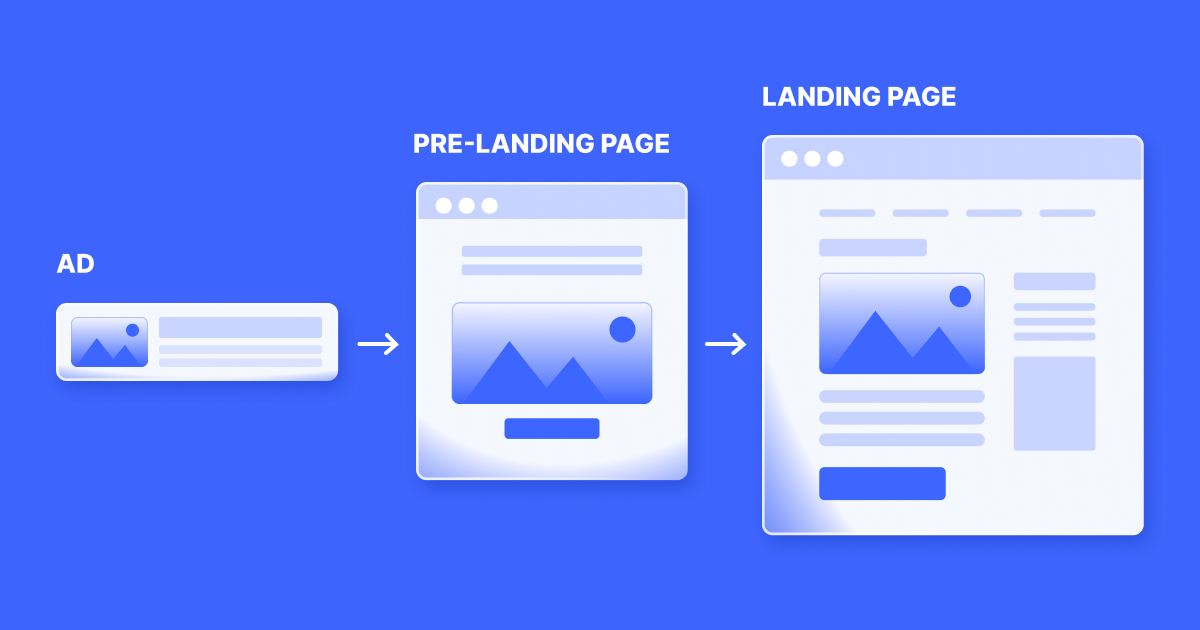
1. The Prelander: The Art of Creating Demand
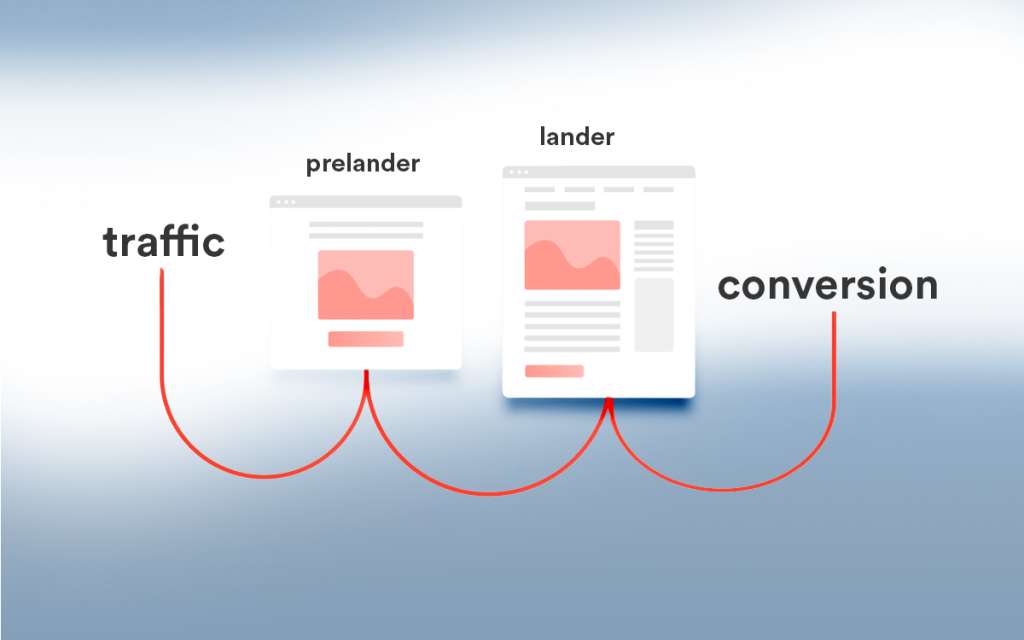
In 2026, classic “walls of text” are obsolete. Modern prelanders have evolved into high-tech conversion funnels.
The Anatomy of a 2026 Prelander:
- On-the-fly Personalization: Using macros to dynamically insert the user’s city, device type, and even current weather into headlines.
- Social Proof 3.0: Moving beyond static fake comments to integrated widgets that simulate real-time live discussions and social buzz.
- Interactive Elements: Quizzes, “lost opportunity” calculators, or mini-games that transform the user from a passive reader into an active participant.
The Psychological Aspect:
A prelander acts as a “cognitive bridge.” It shifts the user’s brain from “news consumption mode” to “problem-solving mode.” If your product requires a change in habits (such as health supplements or innovative financial tools), this stage is non-negotiable.
Technical Note: In 2026, speed is everything. Prelanders must load in under 0.5 seconds. Using WebP/AVIF image formats and lightweight scripts is mandatory; otherwise, you will lose 40% of your traffic before the first paragraph even renders.
2. Direct-to-Offer: Speed vs. Warm-up
Driving traffic directly to the offer (the advertiser’s landing page) is a play on volume, brand recognition, and impulse.
When it is Technically Justified:
- High Domain Trust Score: If the offer’s landing page has a flawless reputation within the ad network, moderation is faster and CPM (Cost Per Mille) is often lower.
- Video Creatives: As native networks lean heavily into video-in-feed formats, a well-produced video often provides enough “warm-up” on its own, making a prelander a redundant barrier.
- Low-Friction Offers: App installs, newsletter sign-ups, or Free Trials where the barrier to entry is minimal.
The Risks of Going Direct:
The primary issue is “trash leads.” Without a prelander to filter intent, you may send many curious but uncommitted users to the offer. This results in a low Approval Rate, which can damage your reputation with CPA networks and lead to lower payouts or account bans.
3. Vertical Comparison (2026 Data-driven Analysis)
| Vertical | Recommended Approach | Why? |
| Nutra (Health/Beauty) | Prelander (100%) | Necessary to overcome safety objections and prove efficacy via “case studies.” |
| E-commerce (White Hat) | Direct-to-offer | Visual products sell themselves. Price and “Buy Now” buttons are the priority. |
| Finance (Loans, Crypto) | Prelander (Quiz) | Quizzes help qualify the lead and match them with a specific financial plan. |
| Sweepstakes | Micro-lander | A brief interactive page (e.g., “Wheel of Fortune”) before the data entry form. |
| Gambling/Betting | Prelander (Story) | Emotional “warm-up” through success stories or simulated win experiences. |
4. The Metrics That Matter
To determine which strategy is winning for your specific campaign, look beyond the CTR. Focus on this data cluster:
- LP CTR (Lander Click-Through Rate): The percentage of users moving from the prelander to the offer. The 2026 benchmark is 15–30%.
- EPC (Earnings Per Click): How much you earn per initial ad click. If the EPC is higher with a prelander, keep it—even if your cost-per-click increases.
- Time on Page: If users spend less than 10 seconds on your prelander, your content isn’t addressing their pain points.
5. The Hybrid Approach: Bridge Pages
A rising trend in 2026 is the Bridge Page—a ultra-short, single-screen prelander that skips the long article and simply validates the “promise” made in the ad.
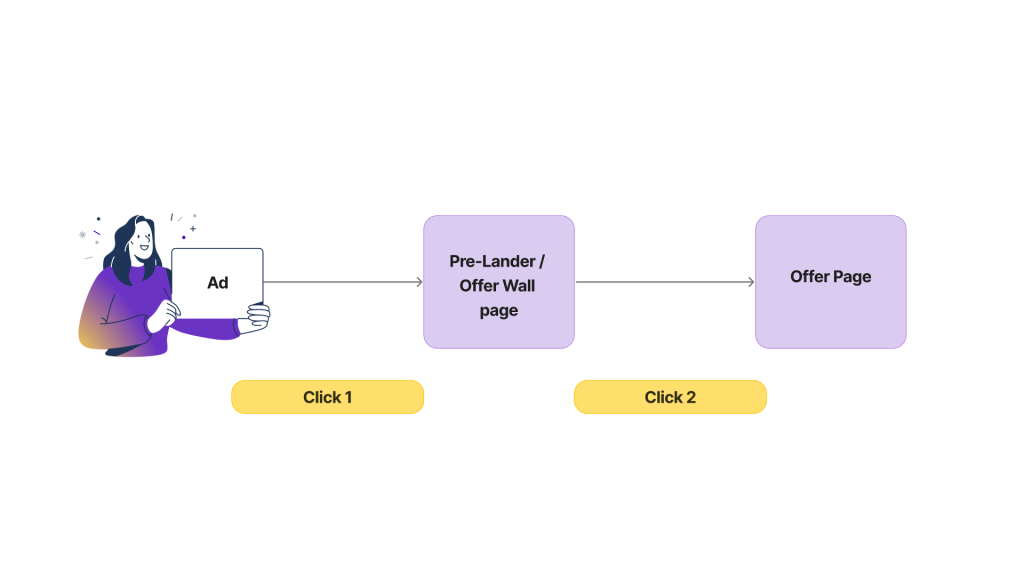
Example: The ad promises a 50% discount. The Bridge Page says: “Congratulations! Your discount is activated. You have 10 minutes to complete your purchase.” This is followed by a button to the offer. This works exceptionally well for E-commerce and Sweepstakes.