Push notifications have become a powerful tool for e-commerce businesses to drive engagement, increase sales, and improve customer retention. Unlike traditional advertising channels, push ads allow brands to reach their audience directly on mobile devices and desktop browsers, providing instant communication and personalized offers. However, to maximize ROI, businesses need a well-planned strategy that goes beyond sending generic messages.
Understanding Push Ads
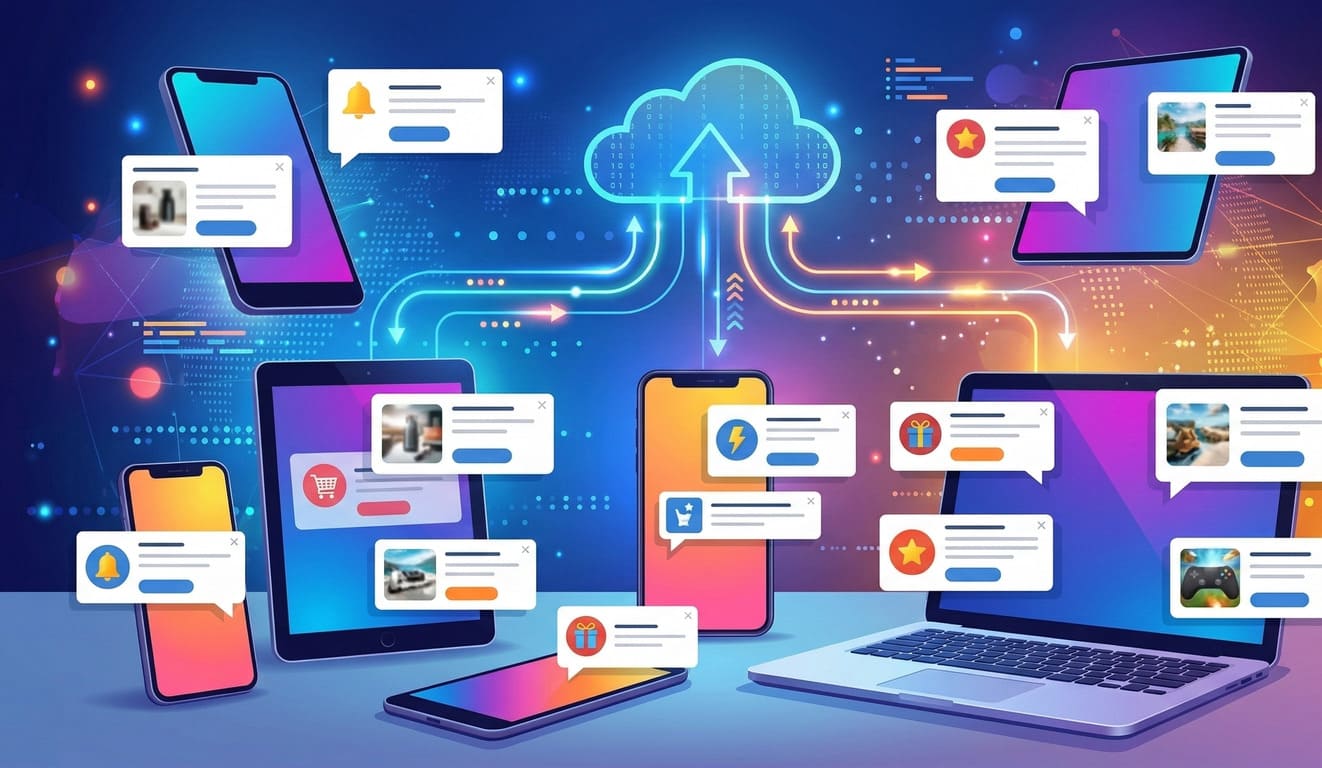
Push ads are clickable notifications that appear on a user’s device, even when they are not actively browsing your website. These messages can include product promotions, seasonal sales, abandoned cart reminders, or personalized recommendations. The main advantage of push ads is their high visibility and immediate interaction potential, which can drive traffic and conversions faster than email or social media campaigns.
Why Push Ads Matter for E-commerce
For e-commerce, push ads are particularly effective because they combine immediacy with personalization. Users who have opted in for notifications are already interested in your products, which makes them more likely to engage. Key benefits include:
- Increased click-through rates (CTR): Push ads have higher CTR than email campaigns.
- Better user retention: Regular, relevant notifications keep customers returning.
- Cost-effective advertising: Push ads often have lower cost-per-click compared to paid social media ads.
Tips to Maximize ROI from Push Ads
- Segment Your Audience
Not every user is the same. Segmenting users by behavior, purchase history, or location allows you to send highly targeted notifications. For example, users who frequently buy electronics may receive different offers than those interested in clothing. - Timing Is Everything
Send notifications at times when your audience is most likely to engage. Analyze user activity patterns to optimize delivery times. Avoid sending messages too early or late in the day to prevent being ignored or marked as spam. - Use Clear, Compelling CTAs
Your message should have a clear purpose. A strong call-to-action (CTA) like “Shop Now,” “Claim Your Discount,” or “Limited Time Offer” can significantly increase clicks and conversions. - Personalization Boosts Engagement
Address users by name, recommend products based on browsing history, or create notifications for abandoned carts. Personalization makes messages feel relevant and less intrusive. - A/B Test Your Campaigns
Experiment with different headlines, images, and CTA buttons to find what resonates most with your audience. Track performance metrics to refine your approach continuously. - Monitor Performance Metrics
Keep track of CTR, conversion rate, opt-out rate, and revenue generated from push campaigns. Use these insights to adjust your targeting, messaging, and timing for better ROI.
Example: Push Ad Performance by Segment
| Segment | CTR (%) | Conversion Rate (%) | ROI (%) |
|---|---|---|---|
| Returning Customers | 15 | 8 | 120 |
| New Users | 8 | 3 | 60 |
| Abandoned Cart Users | 20 | 12 | 150 |
| Seasonal Sale Segment | 12 | 5 | 90 |
This table illustrates how different segments can generate varying results. Focusing on high-performing segments like abandoned cart users can significantly improve overall ROI.
Best Practices to Avoid User Fatigue
- Limit frequency: Sending too many notifications can annoy users.
- Provide value: Only send messages with offers, updates, or content that users care about.
- Make opt-out easy: Respecting user preferences ensures long-term engagement.
Conclusion
Push ads are a cost-effective, high-impact channel for e-commerce businesses. By segmenting audiences, personalizing content, optimizing timing, and continuously testing, businesses can significantly increase CTR, conversions, and ROI. When done right, push notifications not only drive sales but also strengthen customer loyalty, making them an essential part of any e-commerce marketing strategy.
FAQ Questions & Answers
What are push ads in e-commerce?
Push ads are clickable notifications sent directly to a user’s device, even when they are not browsing your website. They promote products, sales, or personalized offers and help increase engagement and conversions.
How can push ads improve ROI for my e-commerce store?
Push ads improve ROI by targeting users who have already shown interest, increasing click-through rates, reducing marketing costs, and driving repeat purchases through personalized and timely notifications.
How often should I send push notifications?
Frequency depends on your audience and campaign type, but generally, 2–5 relevant notifications per week are effective. Too many messages can cause users to opt-out.
Can push ads be personalized for individual users?
Yes. Push ads can be personalized by including the user’s name, recommending products based on browsing or purchase history, or sending notifications for abandoned carts, which increases engagement and conversions.
How do I measure the success of push ad campaigns?
Key metrics include click-through rate (CTR), conversion rate, revenue generated, and opt-out rate. Monitoring these metrics allows you to optimize messaging, targeting, and timing for better ROI.