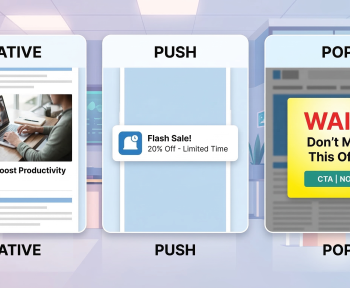
The digital advertising landscape is constantly evolving. While display ads, video ads, and native ads have dominated the market for years, a resurgence of popunder ads has sparked renewed interest among advertisers and publishers alike. Unlike traditional pop-ups, popunder ads appear behind the main browser window, offering a less intrusive user experience while maintaining high visibility. This unique format is reshaping the way brands engage online audiences.
What Are Popunder Ads?
Popunder ads are a form of online advertising that opens a new browser window underneath the active one. Users often notice these ads only after interacting with their main content, making them less disruptive than pop-ups. The subtle approach increases the likelihood that users will engage with the content, leading to higher conversion rates.
Key Benefits of Popunder Ads:
- Non-intrusive: They do not interrupt the user experience.
- High visibility: Appear after the user completes an action, increasing attention.
- Flexible formats: Can include banners, videos, or interactive content.
- Cost-effective: Often cheaper than traditional display campaigns while delivering comparable ROI.
Why Advertisers Are Turning to Popunders
The shift toward popunder ads is fueled by both technological and behavioral factors:
- Ad Fatigue – Internet users are increasingly blind to standard banners and pop-ups, making engagement rates drop. Popunders provide a fresh and effective alternative.
- Better Tracking – Modern popunder solutions integrate advanced analytics, enabling advertisers to measure interactions and conversions accurately.
- Compliance-Friendly – Unlike pop-ups, popunders are often considered less annoying and are less likely to trigger ad-blocking software.
- Higher CTRs – Studies show popunder campaigns can achieve up to 4x higher click-through rates compared to conventional banners in certain verticals like gaming, finance, and entertainment.
How Popunder Ads Work
Popunder ads use browser scripts to open a hidden window when a user clicks or navigates through a website. These scripts can be triggered by various actions, such as page exit intent, form submissions, or navigation to a new page. Once the user completes their primary activity, the popunder becomes visible in the background, subtly drawing attention.
Types of Popunder Ads:
| Type | Description | Best For |
|---|---|---|
| Static Banner Popunder | A static image ad appearing behind the browser | Brand awareness campaigns |
| Video Popunder | A video that plays automatically when the user exits or completes an action | Product launches, promotions |
| Interactive Popunder | Clickable elements such as forms or surveys | Lead generation |
| Redirect Popunder | Redirects the user to a landing page | Affiliate marketing |
Impact on Online Advertising Strategies
Popunder ads are influencing broader advertising strategies in multiple ways:
- Diversifying Ad Portfolios – Marketers now include popunders as part of a multi-channel strategy to reach audiences less responsive to standard formats.
- Optimizing User Experience – Since popunders are less disruptive, publishers can monetize traffic without compromising user satisfaction.
- Enhanced Targeting – Popunder campaigns can be precisely targeted based on user behavior, geography, and device type, improving overall campaign efficiency.
Challenges and Considerations
While popunder ads are effective, advertisers need to navigate certain challenges:
- Perceived Intrusiveness – Although subtler than pop-ups, some users still view them as intrusive. Proper timing and relevance are critical.
- Browser Restrictions – Some browsers and extensions limit the ability to launch popunder windows. Testing across multiple platforms is necessary.
- Ad Fraud – As with any digital ad format, popunders can be susceptible to click fraud if not monitored carefully.
Future Outlook
The future of popunder advertising looks promising, especially as consumers seek smoother online experiences and advertisers demand higher ROI. Innovations such as AI-driven targeting, dynamic content popunders, and improved analytics are set to make this format even more appealing.
Popunder ads are no longer just a secondary tactic—they are becoming a mainstream component of digital advertising campaigns, blending subtlety with engagement, and redefining how brands reach their audiences online.
FAQ
1. What are popunder ads?
Popunder ads are online advertisements that open in a new browser window underneath the active one. They appear after the user completes an action, making them less intrusive than pop-ups.
2. How do popunder ads differ from pop-up ads?
Unlike pop-ups, which appear on top of the current window, popunders appear behind it. This subtle approach allows users to continue their main activity without disruption while still viewing the ad later.
3. What are the main benefits of using popunder ads?
Popunder ads offer high visibility, improved click-through rates, cost-effectiveness, and reduced user frustration compared to traditional pop-ups or banner ads.
4. Are popunder ads effective for all industries?
Popunder ads work best in verticals like gaming, finance, entertainment, and affiliate marketing. Effectiveness may vary depending on audience behavior and targeting strategies.
5. Can popunder ads be blocked by browsers or extensions?
Yes, some browsers and ad-blocking extensions may limit popunder functionality. To maximize reach, advertisers should test campaigns across different browsers and devices.