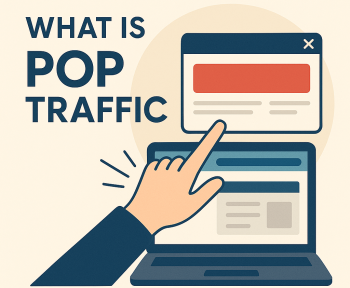
Pop-under advertising is a powerful tool in digital marketing, offering a way to reach users without interrupting their immediate browsing experience. Unlike pop-ups, pop-unders appear behind the main browser window, ensuring minimal disruption while still delivering the intended message. Despite its potential, many marketers make critical mistakes that reduce effectiveness and even harm brand perception. In this article, we explore common pitfalls in pop-under advertising and provide actionable strategies to avoid them.
1. Ignoring User Experience
A major mistake in pop-under campaigns is neglecting user experience. Users appreciate ads that are relevant, non-intrusive, and easy to close. Bombarding users with aggressive or irrelevant pop-unders can damage trust and lead to ad-blocker installation.
How to avoid:
- Target relevant audiences using behavioral and contextual data.
- Limit the frequency of pop-unders to avoid overwhelming users.
- Ensure the ad is visually clean and clearly labeled.
2. Poor Targeting and Segmentation
Pop-under advertising can be highly effective when used with precise targeting. Many marketers fail by casting too wide a net, showing ads to users who have no interest in the product or service. This results in wasted budget and low conversion rates.
How to avoid:
- Use geolocation, demographics, and device targeting.
- Segment your audience based on past behavior and interests.
- Adjust campaigns dynamically based on real-time performance.
3. Neglecting Mobile Optimization
With more users accessing the web via smartphones, failing to optimize pop-under ads for mobile is a costly mistake. Ads that display poorly on small screens can frustrate users and lead to low engagement.
How to avoid:
- Design responsive ads that adjust to different screen sizes.
- Avoid excessive pop-unders on mobile to prevent accidental clicks.
- Test ad placement and load times across multiple devices.
4. Overlooking Frequency Capping
Showing the same pop-under repeatedly to the same user can annoy them and reduce ad effectiveness. Many marketers fail to implement frequency capping, resulting in negative brand perception.
How to avoid:
- Set limits for how often a user sees your pop-under ad.
- Monitor user engagement and adjust frequency caps accordingly.
- Rotate ad creatives to keep content fresh and engaging.
5. Ignoring Compliance and Ad Policies
Pop-under ads can quickly become problematic if they violate advertising regulations or platform policies. Non-compliance can lead to account suspension, penalties, or even legal issues.
How to avoid:
- Familiarize yourself with local and international ad regulations.
- Avoid misleading or deceptive ad content.
- Ensure your pop-under platform complies with industry standards.
Common Pop-Under Mistakes and Solutions
| Mistake | Impact | Solution |
|---|---|---|
| Ignoring user experience | Decreased trust, ad blockers installed | Use relevant targeting, limit frequency, clean design |
| Poor targeting and segmentation | Wasted budget, low conversions | Apply demographic, behavioral, and contextual targeting |
| Neglecting mobile optimization | Low engagement on mobile | Design responsive ads, test on multiple devices |
| Overlooking frequency capping | User frustration, negative perception | Limit ad frequency, rotate creatives |
| Ignoring compliance and policies | Account suspension, legal issues | Follow regulations, avoid deceptive content |
Best Practices for Effective Pop-Under Advertising
- A/B Testing: Continuously test different creatives, headlines, and calls-to-action to identify what resonates best with your audience.
- Performance Tracking: Monitor KPIs like CTR, conversion rate, and ROI to optimize campaigns in real-time.
- Ad Placement Strategy: Avoid placing pop-unders on low-quality sites or intrusive networks. Focus on relevant publishers for better engagement.
- Creative Variety: Rotate ad designs and messaging to prevent banner fatigue.
- User-Centric Approach: Treat users respectfully, delivering value rather than annoyance.
5 Frequently Asked Questions (FAQ)
1. Are pop-under ads still effective in 2026?
Yes, when used strategically with proper targeting, pop-unders can drive high engagement without disturbing the user experience.
2. How often should I show a pop-under ad to a user?
Frequency capping is essential. A recommended starting point is 1–2 times per week per user, adjusting based on engagement metrics.
3. Do pop-under ads work on mobile devices?
They can, but mobile optimization is crucial. Ads must be responsive, lightweight, and non-intrusive.
4. What is the difference between pop-up and pop-under ads?
Pop-ups appear over the main content, interrupting the user, while pop-unders open behind the main window, allowing for a more subtle approach.
5. How can I avoid being flagged for deceptive pop-under ads?
Ensure ads are transparent, clearly labeled, and comply with local advertising regulations. Avoid misleading messages or hidden click triggers.
Pop under advertising, when executed correctly, is a subtle yet powerful tool in a digital marketer’s arsenal. By avoiding common mistakes—like neglecting user experience, poor targeting, or ignoring compliance—businesses can improve engagement, maintain trust, and achieve higher ROI from their campaigns.