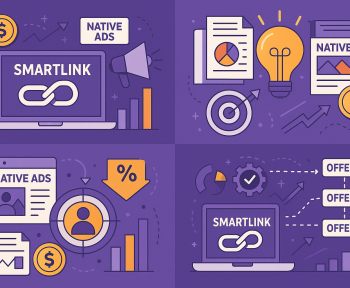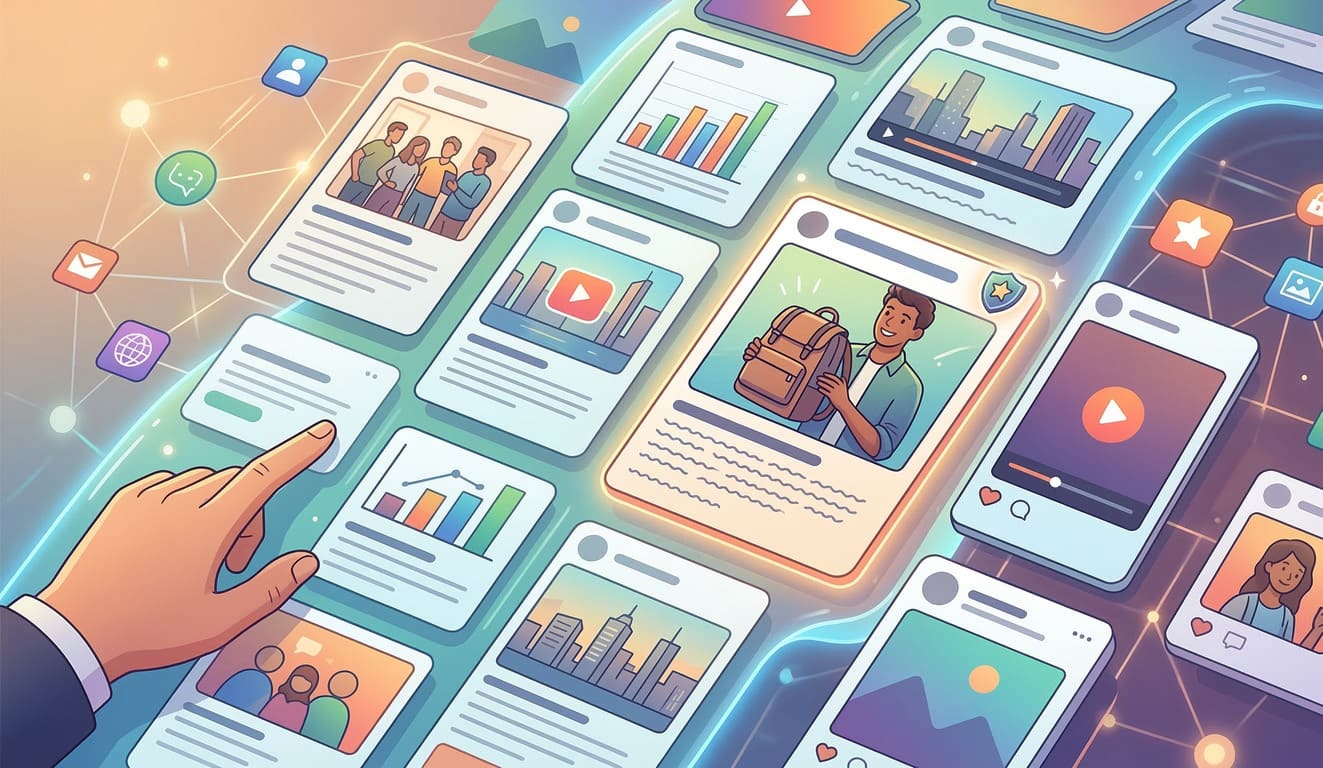
Native advertising has evolved from a niche marketing tactic into a central strategy for brands seeking to engage audiences without disrupting their experience. Unlike traditional ads that interrupt content, native ads blend seamlessly with the platform they appear on, creating a more organic user experience. As consumers increasingly ignore banner ads and pop-ups, brands are innovating with native advertising to capture attention, build trust, and drive conversions.
The Evolution of Native Advertising
Originally, native advertising meant sponsored articles or advertorials, but today it encompasses a wide range of formats, including video, podcasts, social media posts, and interactive content. Platforms like Facebook, Instagram, TikTok, and LinkedIn have made native ads more sophisticated, enabling brands to target audiences with precision while maintaining the natural flow of content.
The innovation comes not just in format but in strategy. Brands are moving from overtly promotional messaging to storytelling, influencer collaboration, and data-driven personalization. By understanding the context in which their audience consumes content, marketers can create ads that feel like a natural part of the user experience rather than intrusive interruptions.
Key Innovations in Native Advertising
Brands are leveraging several innovative approaches to make native advertising more effective:
- Content Personalization: Leveraging AI and big data, brands can serve content tailored to individual preferences. For instance, e-commerce platforms recommend products within articles or videos based on browsing history, increasing the likelihood of engagement.
- Interactive Experiences: Native ads now include quizzes, polls, AR filters, and gamified content. These interactive formats not only increase engagement but also provide brands with valuable insights about consumer behavior.
- Influencer Integration: Collaborating with influencers allows brands to place native ads in content that audiences already trust. This approach is particularly effective on social platforms, where authenticity is key.
- Branded Content Hubs: Leading brands are creating entire sections of platforms dedicated to branded content. These hubs serve as a continuous source of storytelling, blending seamlessly with editorial content while promoting products and services.
- Programmatic Native Ads: Automation and programmatic advertising have brought efficiency to native formats. AI-driven platforms now place native ads in contextually relevant locations across websites and apps, ensuring higher engagement and ROI.
Case Studies of Innovative Native Advertising
| Brand | Native Ad Type | Innovation Description |
|---|---|---|
| Netflix | Sponsored articles | Embeds storytelling around new shows in entertainment and lifestyle platforms. |
| Starbucks | Interactive content | Uses AR filters on Instagram to create immersive branded experiences. |
| The New York Times | Branded content hub | Features dedicated sections with in-depth, sponsored content from partners. |
| Spotify | Audio sponsorship | Inserts personalized audio ads that match listeners’ playlists and preferences. |
| Sephora | Influencer integration | Partners with beauty influencers to integrate product demos within social content. |
Challenges and Ethical Considerations
While native advertising is highly effective, it comes with challenges. Transparency is critical—misleading native ads can damage brand reputation. Regulatory bodies in the US and EU require clear labeling of sponsored content to protect consumers. Brands must balance creativity with compliance, ensuring that their ads are engaging yet honest.
Additionally, measuring the effectiveness of native advertising can be complex. Unlike traditional ads, success is often determined by engagement metrics, time spent, and conversions rather than mere impressions.
Future Trends
The future of native advertising points toward even deeper integration with emerging technologies. AI-generated content, immersive AR/VR experiences, and hyper-personalized video ads will become more common. As consumers increasingly value authenticity, brands that can seamlessly integrate messaging into content while respecting user experience will lead the market.
Conclusion
Innovation in native advertising is no longer optional—it’s essential for brands aiming to capture attention in a crowded digital landscape. By combining storytelling, technology, and personalization, brands can create ads that resonate deeply with audiences, enhancing both engagement and loyalty. As the industry evolves, the most successful campaigns will be those that prioritize user experience while creatively delivering brand messages.
FAQ
1. What is native advertising?
Native advertising is a type of paid media that blends seamlessly with the platform’s content, appearing as part of the user experience rather than an intrusive ad.
2. How are brands innovating with native ads?
Brands innovate by using personalized content, interactive experiences, influencer collaborations, branded content hubs, and programmatic placement to engage audiences more effectively.
3. What are the benefits of native advertising?
Native advertising improves engagement, builds brand trust, boosts conversions, and creates a seamless user experience compared to traditional ads.
4. What platforms are best for native advertising?
Social media platforms like Facebook, Instagram, TikTok, LinkedIn, and content hubs like The New York Times or Spotify are highly effective for native advertising.
5. How do brands measure the success of native ads?
Success is measured through engagement metrics, time spent on content, click-through rates, and conversions rather than just impressions.
6. Are there ethical considerations for native advertising?
Yes, transparency is essential. Sponsored content should be clearly labeled, and misleading ads can damage brand reputation and violate regulations.