The ad network market is huge: hundreds of networks promise “top-quality traffic” and “insane ROI”. But for both advertisers and publishers, the cost of a bad decision is high: wasted budget, fraudulent traffic, ruined UX, and reputation risks.
Below is a structured checklist that helps you choose an ad network without guessing. You can use it as a practical guide and simply go through it step by step.
1. First Step: Be Clear About What You Need from an Ad Network
Before you even start checking specific networks, answer a few basic questions.
1.1 If You Are an Advertiser
- What are your campaign goals?
- Brand awareness / reach
- Leads / registrations
- Purchases / deposits / subscriptions
- App or game installs
- Which geos are you targeting? (Tier 1 / Tier 2 / Tier 3, specific countries)
- Which verticals? (finance, nutra, e-commerce, gambling, betting, gaming, utility, SaaS, etc.)
- Which ad formats do you need?
- Display banners
- Native
- Pop / popunder
- Push
- In-app
- Video / rewarded video
- Interstitial and others
- How much risk are you ready to take?
- CPM / CPC (more risk on your side)
- CPA / CPI / RevShare (more risk on the network’s side)
1.2 If You Are a Publisher
- Where does your traffic come from?
- Websites, blogs, media, forums, content projects
- Mobile apps and games
- Which ad formats are acceptable for your UX?
- Display and native vs. aggressive pops, interstitials, etc.
- Which geos dominate your audience?
- What is your main priority?
- Maximizing eCPM
- Stable payouts
- Brand safety and “clean” ads
Once you are clear on these points, you can start checking networks and immediately filter out those that don’t match your case.
2. Universal Checklist for Evaluating Any Ad Network
These are core criteria that matter for both advertisers and publishers.
2.1 Reputation and Transparency
- Are there real reviews and mentions (forums, chats, social media, case studies)?
- How long has the network been on the market?
- Is there a public team, social media presence, conference talks?
- Are legal details, contracts, and contact information clear and accessible?
Red flags:
- No reviews or mentions at all.
- Completely anonymous team and legal entity.
- Unrealistic promises like “X10 ROI in 3 days” with no real examples.
2.2 Verticals, Formats, and Geos
Make sure the network actually fits your use case.
- Does it work with your verticals? (Some networks forbid gambling, adult, crypto, etc.)
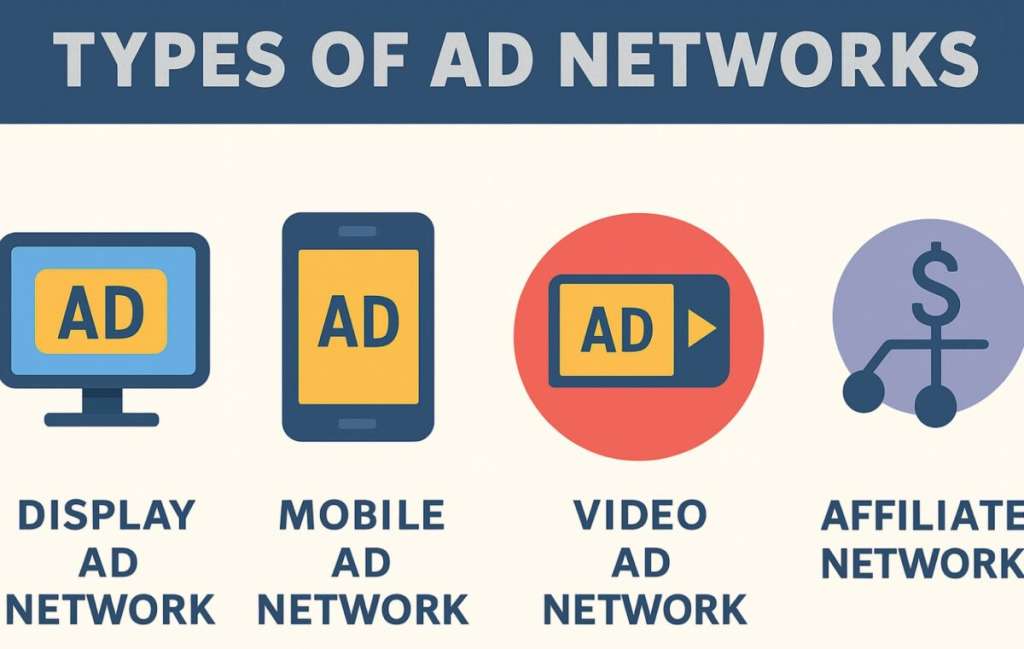
- Are the formats you need available: display, native, video, in-app, push, popunder, social, search, etc.?
- Are your target geos available and is there enough volume for them?
If you’re an advertiser, ask for a traffic breakdown by formats and geos (for example: 40% mobile Android Tier 1, 30% iOS, etc.).
2.3 Traffic Quality and Anti-Fraud
This is critical for advertisers and still important for publishers (you don’t want to be associated with bot traffic).
- Which anti-fraud solutions do they use?
- In-house systems plus external tools (FraudScore, AppsFlyer Protect360, Adjust Protect, etc.)
- Do they filter:
- bots, proxies, data center traffic;
- incentivized traffic (if you don’t want it)?
- Are they ready to provide a test volume that you can check via your tracker / MMP?
- Do you get transparent reports by source (site ID / placement ID, sub-ID, etc.)?
If a network avoids transparency and proper testing, treat it as a serious warning sign.
2.4 Pricing Models and Finance
For Advertisers
- Which pricing models are available: CPM, CPC, CPI, CPA, CPS, RevShare?
- Can they combine models (hybrids)?
- Is there a minimum budget to start a campaign?
- Do they offer post-payment or only 100% prepayment?
- Which currencies and payment methods are supported (card, wire, crypto, etc.)?
For Publishers
- Which payout models are used: RevShare, eCPM floor, fixed CPA?
- What’s the minimum payout and how often do they pay (Net 7 / Net 15 / Net 30)?
- Which payment methods are available: PayPal, bank transfer, Payoneer, etc.?
- Do they use a hold (retaining part of the revenue until traffic is verified)?
Compare several networks not only by promised eCPM or rates, but also by real payout terms and stability.
2.5 Technology, Integration, and Reporting
A good network is not just “we send traffic”. It also means useful tools and data.
- Is there a dashboard with:
- real-time or near real-time stats;
- breakdown by geos, formats, devices, sources?
- Do they provide an API for stats and campaign management?
- Are postbacks (S2S) supported for trackers and MMPs?
- Is there auto-optimization for conversions (Smart CPM, Smart CPC, Target CPA, etc.)?
- Do they support anti-adblock solutions (for web publishers)?
For mobile publishers:
- How “heavy” is the SDK and how does it impact app performance?
- Do they support mediation or work with popular mediation platforms?
- How often are SDK and documentation updated?
2.6 Policies, Brand Safety, and Compliance
Especially important for brand advertisers and “clean” publishers.
- Do they have a clear content policy?
- bans on shock content, adult, clickbait, malicious ads, etc.
- Which brand safety tools do they use?
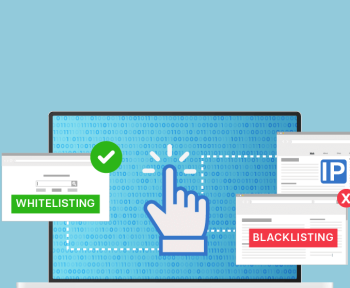
- blacklists / whitelists of domains, categories, placements;
- options to exclude sensitive topics.
- Can you block unwanted categories (gambling, crypto, adult, etc.)?
- Do they comply with GDPR, COPPA, CCPA, and other regulations where relevant?
If the network is focused on “grey” verticals, you shouldn’t expect perfect brand safety, but the boundaries still must be clearly defined.
2.7 Support and Account Management
Support is something people usually remember only when things go wrong.
- Do they provide a personal account manager at certain volumes?
- Which support channels are available: email, Telegram, Slack, ticket system?
- How fast do they actually respond (not just “according to SLA”)?
- Are they able to help with creatives/optimization or only say “restart the campaign”?
3. Separate Checklist for Advertisers
3.1 Confirm That the Network Can Deliver Your Target Traffic
- Do they have case studies in your vertical and geos?
- Can they show real performance metrics (CTR, CR, EPC, ROI) for similar offers?
- Do they have experience with your product type (mobile subscriptions, apps, casinos, nutra, etc.)?
3.2 Setting Up a Test Campaign
Before committing a large budget, run a proper test.
- Agree on a test budget (e.g., $500–$3000 depending on the niche).
- Define a clear KPI:
- CPA, ROI, number of registrations/deposits, CR, retention, etc.
- Fix the test duration (number of conversions or days).
- Set up S2S postback to your tracker/MMP.
- Segment traffic by sources (site ID, zone ID) so you can later cut bad placements.
3.3 Optimization and Scaling
After the test:
- Cut sources with high spend and low conversions.
- Focus budget on sources with positive ROI.
- Test new creatives, landers, pre-landers.
- Use auto-rules where available (e.g., automatically pause zones with high spend and zero conversions).
If the network doesn’t provide enough traffic breakdowns and you can’t properly optimize, that’s a serious disadvantage.
4. Separate Checklist for Publishers
For publishers, it’s critical not only to earn more, but also not to “kill” the product with bad ads.
4.1 Network Requirements for Your Traffic
- Is there a minimum traffic requirement (e.g., at least 10k uniques/day)?
- Any restrictions on site/app topics?
- Do they demand exclusivity (no other networks allowed)?
Sometimes a network offers higher eCPM in exchange for exclusivity. Carefully evaluate if this trade-off is worth it.
4.2 Formats and UX Impact
- Which formats do they offer:
- banners, native blocks, video, rewarded, interstitial, push, popunder, etc.?
- Can you control frequency capping (how often users see ads)?
- How does advertising affect:
- page/app loading speed;
- bounce rate;
- user behaviour (uninstalls, exits, complaints)?
Tip: Start with less aggressive formats, track changes in metrics (retention, bounce rate, session duration), and only then increase monetization intensity.
4.3 Fill Rate, eCPM, and Geos
- What is the average fill rate for your geos (how many ad requests are actually monetized)?
- What is the average eCPM for your niche and countries?
- How does the network monetize low-tier traffic (Tier 3)?
Compare several networks by these parameters, ideally via a real A/B test: send part of your traffic to one network and part to another.
4.4 Integration and Control
- How easy is it to implement ad tags or SDK?
- Are there ready-made plugins (for popular CMS or app platforms)?
- Can you:
- block certain ad categories;
- ban specific advertisers;
- see stats per site/placement?
- Can you split inventory:
- for example, use different networks for different sections of the site or different user segments?
5. How to Compare Several Ad Networks in Practice
A simple, practical approach:
- Create a shortlist of 3–5 networks that match your verticals, formats, and geos.
- Fill in the checklist for each:
- Reputation
- Payment / payout terms
- Technology and reporting
- Support
- Run parallel tests:
- same or similar offers, geos, and comparable budgets;
- for publishers – split traffic between networks.
- Compare not only numbers (eCPM, ROI, CR), but also:
- stability (no unexplained drops);
- transparency of data and reporting;
- quality of communication and support.
- Keep 1–2 best networks as your core partners and the rest as backup.
6. One-Page Checklist Summary
You can save this list and quickly go through it whenever you consider a new network.
General Points (for Everyone)
- Reputation: reviews, case studies, public team.
- Fit: verticals, formats, geos.
- Traffic quality and anti-fraud.
- Transparent stats and breakdowns.
- Convenient pricing / payout models.
- Brand safety, content policy, legal compliance.
- Good support and account management.
For Advertisers
- Network has experience in my niche and geos.
- Test budget with clear KPIs is possible.
- Postbacks / tracker / MMP integration are supported.
- Optimization tools are available (rules, bids, blacklists/whitelists).
- Sufficient breakdown by sources for proper optimization.
For Publishers
- The network accepts my traffic type and topics.
- Formats do not destroy UX (or can be limited).
- Good fill rate for my main geos.
- Clear eCPM and understandable reports.
- Easy integration (code/SDK, plugins).
- Stable payouts and reasonable holds.
Go through this checklist each time you choose a new ad network, and you’ll greatly reduce the risk of wasted budgets, bad traffic, and unhappy users.