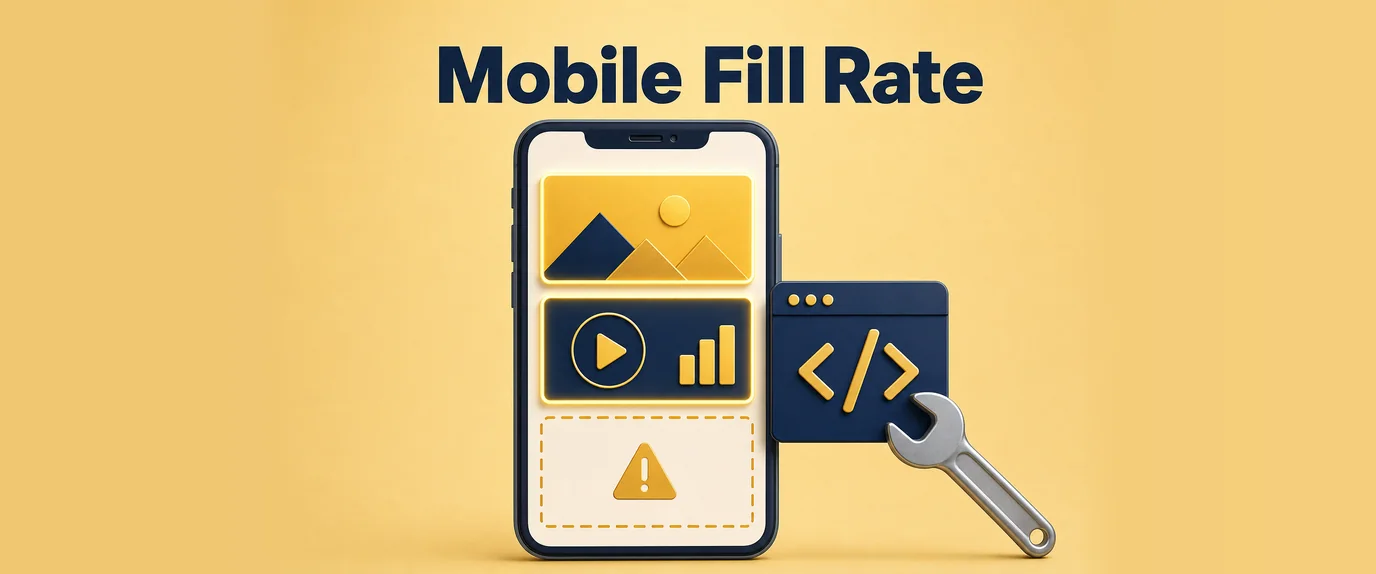
In 2026, mobile traffic accounts for over 80% of visits for most content-driven projects. However, many publishers still lose up to 30% of their potential income due to poor Fill Rates and incorrectly configured JS scripts.
When ad code loads too slowly, conflicts with Core Web Vitals, or simply “misses” segments of your audience, you are losing money every second. In this guide, we break down how to build a monetization architecture that extracts maximum value from every mobile visit without turning your site into a “dumping ground” for search bots.
1. The “Traffic Leak” Problem: Where Are Your Cents Going?
Most Fill Rate issues on mobile are tied to three primary factors:
- Slow Rendering: Heavy scripts block page rendering, causing users to bounce before the ad even successfully loads.
- Aggressive Blockers: Standard ad tags are easily identified by AdBlock plugins and built-in browser filters.
- Lack of Flexibility: Relying on a single format (e.g., just banners) leaves segments unmonetized where advertisers are specifically looking for other touchpoints.
2. The Multi-Format Strategy: Pop + Push Synergy
To achieve a 100% Fill Rate, you must combine formats to cover different user behavior scenarios.
The 2026 Pro-Combo:
- In-Page Push (The Soft Touch): This format requires no subscription (opt-in) and renders as a neat notification within the page. It has the highest priority because it barely impacts UX and does not cause user irritation.
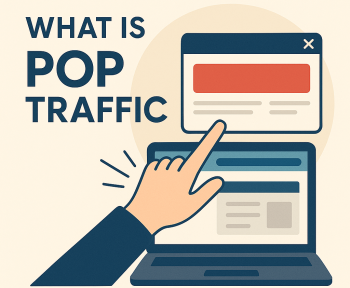
- Popunder (The Final Monetizer): This format should act as a “backlayer.” In modern engines, Popunders open in a new tab or behind the main window, allowing for high eCPM without directly interrupting the user’s active session.
Pro-Tip: Trigger Popunders only after the user’s first active click on any element of the site. This makes the format “invisible” to automated Google checks and significantly improves traffic quality for the advertiser.
3. Technical Integration: “Smart Tags” and Asynchronicity
In 2026, top-tier publishers are moving toward Smart Tags—unified JS codes that automatically determine which format and at what moment to show a specific user.
SEO-Safe Integration Rules:
- Async & Defer: All ad scripts must load asynchronously. They should never queue ahead of your main content to maintain a healthy LCP (Largest Contentful Paint).
- CDN Distribution: Ensure your ad provider serves code via Edge servers. Low latency is the key to ensuring the ad “fires” before the user closes the tab.
- Anti-Detect Wrappers: Use scripts with dynamically changing function names. This helps bypass AdBlockers and maintain high Fill Rates even in “protected” browsers.
4. Frequency Capping for SEO Longevity
Google in 2026 is extremely punitive toward poor FID (First Input Delay). To ensure your revenue doesn’t lead to a search ranking drop, follow these strict limits:
- For Popunder: 1 impression per 24 hours per unique IP. This is sufficient for high revenue without triggering penalties.
- For In-Page Push: 2-3 impressions per session with an interval of at least 30 seconds.
- Priority Logic: If the system detects a user from a high-value GEO (Tier-1), prioritize the highest-paying formats. For Tier-3, switch to “maximum fill” mode using all available methods.
The Bottom Line: From “Just Code” to “Revenue Engineering”
Maximum Fill Rate isn’t about luck; it’s about architecture. By integrating smart, multi-format scripts that work asynchronously and respect user behavior, you can increase your site’s yield by 40–70% within the first month.
Remember: in 2026, the winning publisher is the one who balances aggressive monetization with a flawless user experience.