Standard Smartlink routing operates on a single-touch conversion model: a user clicks your link, gets routed to an optimized offer, and either converts or closes the browser tab. Once that session ends, the relationship with that user is permanently lost. If the user does not convert immediately, the acquisition cost or traffic effort is burned.
In today’s performance marketing landscape—where Customer Acquisition Costs continue to climb across mobile and desktop networks—relying on single-touch conversion arbitrage is financially risky.
By combining Progressive Web Apps (PWAs) with Smartlink 3.0, performance marketers create a Double-Yield Engine.
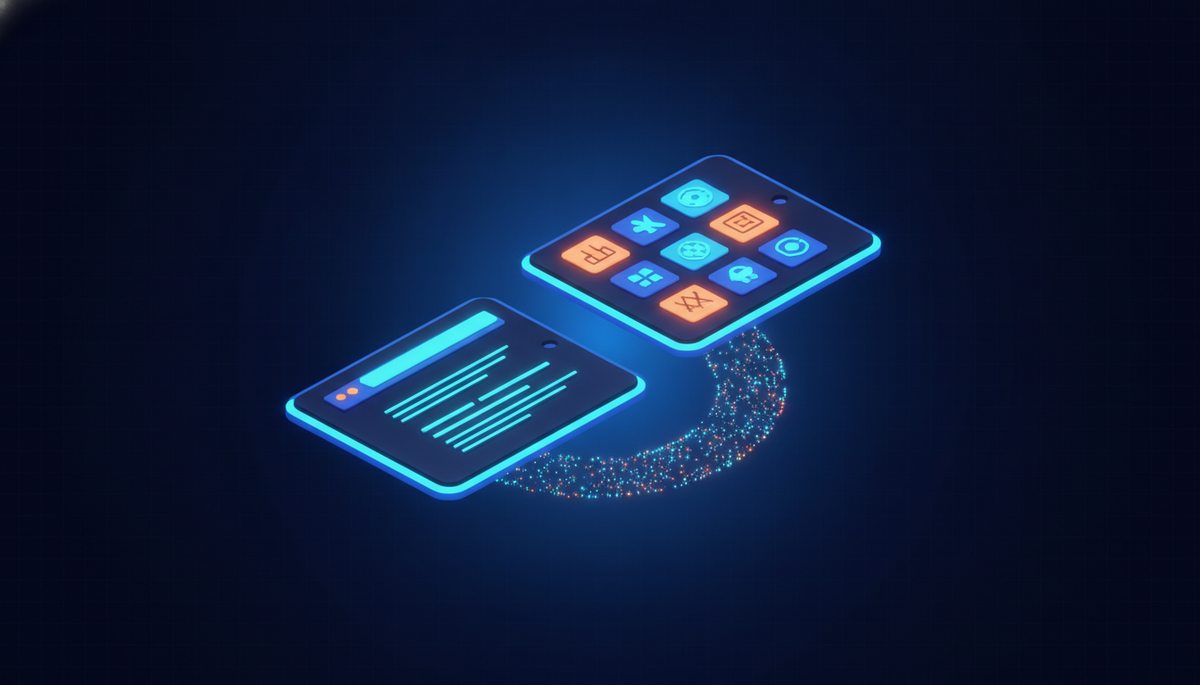
Instead of routing incoming clicks directly to an external offer page, traffic passes through a lightweight, web-native PWA bridge pre-lander. This intermediate layer captures WebPush notification permissions and installs a persistent home-screen icon before forwarding the user to the Smartlink destination. The result is two distinct monetization events from a single click: immediate CPA revenue from the Smartlink offer plus long-term Lifetime Value (LTV) through automated WebPush notification sequences.
1. The Single-Touch Leakage Problem in Modern Media Buying
Relying solely on direct Smartlink redirects forces media buyers into a zero-sum game. The user’s lifecycle lasts only as long as the active browser tab stays open.
The Structural Weaknesses of Single-Touch Campaigns:
- Zero Audience Retargeting: You have no technical mechanism to re-engage non-converting visitors without paying for a fresh impression in the ad network.
- Uncaptured Micro-Intent: Up to 30 percent of visitors who click an ad are intrigued by the product or niche but are unready to complete a purchase, trial, or registration during their initial session. Direct redirects discard these high-intent users entirely.
- Ad-Blocker and Privacy Friction: Direct redirect chains across third-party ad domains are increasingly blocked or delayed by modern mobile browser security layers, causing early drop-offs before the offer page renders.
2. Double-Yield Funnel Architecture: Step-by-Step
The PWA + Smartlink hybrid engine splits user engagement into an immediate monetization event and a long-term retention stream without introducing noticeable latency or user friction.
Stage 1: The PWA Pre-Lander Bridge & Service Worker Initialization
When a user taps your campaign link, they land on an ultra-lightweight, high-speed PWA pre-lander. In the background, the page registers a web Service Worker. The pre-lander mimics a native mobile utility, news update, or interactive quiz. Within 300 milliseconds of page load, the interface presents a custom soft-prompt requesting alert permissions or offering an instant home-screen shortcut.
Stage 2: Asynchronous Smartlink Edge Routing
The instant the user interacts with the prompt—whether they accept, decline, or close it—the pre-lander executes an asynchronous background request to the GTaro Smartlink 3.0 routing engine. The engine evaluates the user’s country, device hardware tier, connection type, and operating system to return the single highest-yielding offer. The user is then seamlessly redirected to the target offer page.
Stage 3: Automated WebPush & Retention Monetization
For users who accepted the push notification or PWA installation, an automated backend sequence begins delivering targeted WebPush notifications over 7, 30, and 90-day retention windows. These automated alerts route subscribers back to fresh Smartlink offers, generating recurring revenue at zero additional media spend.
3. Frictionless Micro-Commitment Mechanics & UX Principles
Attempting to force a PWA installation while demanding an immediate offer conversion can lead to user drop-offs if implemented incorrectly. Success requires low-friction micro-commitments.
Key UX Design Guidelines:
- The Two-Step Soft-Prompt: Never invoke the browser’s native notification prompt on initial page load. Hard native prompts intimidate users and cause permanent domain blocks if declined. Instead, show a styled UI card first. Tapping the card triggers the native browser dialog, resulting in significantly higher acceptance rates.
- Utility Framing: Frame the PWA as a functional mobile tool—such as a price tracker, daily reward checker, or content hub. Users readily install PWAs when they perceive immediate functional utility.
- Frictionless Web-Native Installs: PWAs bypass traditional mobile app store downloads completely. The installation occurs directly through the browser within seconds, preserving the user’s momentum toward the final offer page.
4. Front-End Technical Configuration Principles
Deploying a Double-Yield pre-lander relies on three core technical elements working in harmony:
- PWA Web Manifest File: A lightweight configuration file defined in your page head that instructs the mobile browser on how to display the application. It sets standalone display modes, primary theme colors, and specifies responsive icon sizes for home-screen installation.
- Background Service Worker: A background script running independently of the web page that listens for push events and manages offline asset caching. This component allows push notifications to display on the user’s device lock screen even when the browser is closed.
- Asynchronous Routing Handler: A lightweight script attached to the soft-prompt action buttons. Upon user interaction, it fires an asynchronous fetch request to retrieve the target Smartlink URL from the ad server, maintaining seamless navigation momentum without blocking page interaction.
5. Performance Benchmarks: Standard Smartlink vs. Double-Yield Engine
Data collected across high-volume mobile utility, sweepstakes, and gaming campaigns demonstrates how double-yield funnels expand net campaign margins over a 90-day evaluation window:
| Performance Metric | Standard Direct Smartlink | PWA + Smartlink Double-Yield Engine | Performance Delta |
| Front-End CPA Conversion Rate | 3.2% | 3.0% | Minimal Impact (-0.2%) |
| Push Permission Capture Rate | 0.0% | 22.4% | +22.4% New Push Subscribers |
| PWA Home Screen Install Rate | 0.0% | 8.6% | +8.6% Permanent App Installs |
| 30-Day Recurring Push Revenue | $0.00 | +$410.00 per 1k Clicks | Unlocks Passive Retargeting LTV |
| 90-Day Cumulative Subscriber LTV | $0.00 | +$890.00 per 1k Clicks | Long-Term Revenue Stream |
| Average eCPM (Combined Yield) | $12.50 | $28.90 | +131.2% Total Yield Expansion |
| Net Campaign ROI | +32% | +175% | +143% Margin Expansion |
6. Publisher & Media Buyer Deployment Roadmap
Follow this operational framework to deploy a Double-Yield PWA + Smartlink funnel on GTaro Ads:
- [ ] Host PWA Pre-Lander Assets: Deploy an SSL-secured pre-lander featuring a valid web manifest, high-resolution app icons, and an active background service worker.
- [ ] Configure Custom Soft-Prompters: Build a mobile-native soft-prompt modal on your pre-lander to pre-qualify user interest before initiating the browser’s native permission request.
- [ ] Connect GTaro Smartlink Engine: Integrate an asynchronous fetch request to the GTaro Smartlink 3.0 endpoint inside your pre-lander’s interaction handler.
- [ ] Build Automated Push Sequences: Program automated notification workflows inside your WebPush platform to send targeted alerts at 1-hour, 24-hour, 72-hour, and weekly intervals following subscription.
- [ ] Pass Tracking Identifiers: Pass unique click and user tokens from the initial pre-lander into your push database to identify which traffic sources generate the highest long-term subscriber LTV.
- [ ] Audit Speed and Latency Metrics: Test pre-lander execution speeds on mobile cellular networks to ensure page load times remain under 300 milliseconds.
Combining Progressive Web Apps with Smartlink 3.0 transforms one-off media buying into long-term subscriber asset building. By capturing push permissions and home-screen installations before forwarding traffic to dynamic CPA offers, performance marketers can double their campaign yield, protect against rising ad costs, and scale profitable funnels on GTaro Ads.